
Hand-Crank Aluminum Pergola Alright, let’s cut to the chase—if you’re here, you’re probably tired of ordering aluminum windows that either don’t fit (thanks, wrong dimensions!) or have you wasting time and money returning stuff. I’ve been in the aluminum window game for 8 years now, and let me tell you, 90% of the “fit issues” we get calls about aren’t because our windows are messed up—it’s because someone measured wrong. I’m not here to be a textbook; I’m here to walk you through how to get this right, no fancy tools needed (though a few basics help). First, let’s get one thing straight: this isn’t the time to guess. I’ve seen folks eyeball a rough opening and end up with a window that’s an inch too narrow, which means they’re stuck filling gaps with caulk or sending it back. Let’s start with the tools you actually need, no more than 3 things: a tape measure (make sure it’s stiff, not that floppy one that bends all over—those lie), a level (even a $10 one works), and a pencil to mark spots. Skip the fancy laser levels unless you’re a pro—they’re overkill for this, and I’ve had customers mess up with them anyway because of glare or wonky walls. Now, let’s break down the two main things you need to measure: the rough opening (that’s the hole in the wall where the window goes) and the window itself (we’ll check this once we make it for you, but you gotta get the opening right). Wait, hold on—people always ask, do I measure for a new build or a replacement? Two totally different scenarios, so let’s split this. First up: Replacement windows, because that’s 70% of the calls we get. If you’re swapping out an old aluminum window, don’t just measure the old window’s height and width—wait, no, actually, do that, but then measure the rough opening too. Wait, why? Because old homes settle, walls shift, that old window might’ve been in there for 20 years and the hole isn’t perfectly square. Here’s the trick for height: go to the left side, middle, and right side of the opening, and measure from the bottom of the sill (that’s the flat part at the bottom, make sure you measure the actual sill, not the trim on top) to the bottom of the header (the top horizontal part of the hole). Don’t just do one spot—old houses love being uneven. Same with width: left side, middle, right side, measure between the two jambs (the vertical sides of the hole). Write every number down—no rounding up or down yet, just the exact inches. Now, what about depth? Oh, right, I forgot depth! That’s how thick the wall is, because if your wall is 6 inches thick, you can’t order a window built for a 4-inch wall. To measure depth, hold your tape straight into the opening from the exterior side (where the window will sit) and measure until you hit the interior side. Again, do it in a few spots—walls aren’t always straight. Now, new construction? That’s different. If you’re building a home from scratch, the rough opening should be sized so there’s a little room for shimming—about 1/2 inch extra on width and height, 1/4 inch on each side, to make leveling easy. Don’t make the opening exactly the window’s size—you’ll fight shims the whole time. Now, common mistakes I see every single day. Number one: not accounting for trim or casing. Wait, no—wait, when measuring the rough opening, make sure you’re measuring the actual structural parts, not the decorative trim. Trim is added later, so it doesn’t affect the window size. Number two: using a bent tape measure. That floppy one I mentioned? It will give you a shorter number than it should because it sags. Grab a stiff 25-foot tape—worth the $15 or so, saves you headaches. Number three: forgetting to check for square. Oh my god, square is huge. If the opening isn’t square, your window will look wonky, stick when you open it, and might leak. How to check square? Measure the diagonal from top-left to bottom-right, then top-right to bottom-left. Those two numbers should be within 1/8 inch of each other. If they’re way off, you need to adjust the opening before you order a window, not after. I once had a customer who skipped this step, got a window, and the diagonals were off by 3/4 inch—we had to custom-make a shim frame for him, which cost him extra time. Not cool for either of us. Another mistake: measuring only once. I get it, you’re in a hurry, but take at least three measurements for height, three for width, to make sure. If all three are close, average them. If they’re way off, call a handyman to fix the opening before you order. Now, when we make your aluminum window, we’ll ask for those exact numbers—no rounding, no “about 36 inches.” If you tell me 35.75 inches, that’s way better than 36, because I can build it to fit. Rounding up might make it too big, rounding down might make it too small. Wait, what about if it’s not a window that goes in a wall? Like a casement or awning window? Same rules apply—just measure the rough opening for that specific type. Casement windows need a little extra clearance on the side where the crank is, right? Yeah, about 1/4 inch, but that’s something we’ll account for when we build it—just give us your opening measurements, and we’ll handle the rest. Let’s talk about pro tips, the stuff we don’t usually post on our website because it’s just word-of-mouth. First, if you’re working alone, have someone hold the tape while you measure—trying to do it by yourself and hold the tape straight almost always leads to wrong numbers. Second, take a photo of the opening once you measure it—send it to our team if you’re unsure, we’ll check it for you. We don’t mind—way better than you ordering the wrong window. Third, don’t measure on a hot day if the materials are expanding. Aluminum expands, but so do wood walls. If you measure on a 90-degree day, the wall’s wider than it will be when it’s 60 degrees, so you might order a window that’s too tight. I know, that’s a tiny detail, but it works. Fourth, write everything down on paper, not just your phone. Phones die, notes get deleted, crumpled paper in your pocket? You’ll still have it when you need it. Now, let’s get to the part where you actually order. If you’ve done all these steps—measured height, width, depth, checked diagonals for square, taken notes, maybe even sent a photo to our team—you’re good to go. If you’re still unsure, don’t hesitate to reach out. We’ve helped homeowners, contractors, even hobbyists get the right measurements for their aluminum windows for years, no stupid hoops to jump through. At the end of the day, the biggest mistake you can make is guessing. I’ve been doing this long enough to know that the call that starts with “I measured and it doesn’t fit” is way more stressful than the one where someone says “hey, here are my numbers, can you confirm?” So if you’re ready to order, or even just have a quick question about measurements, hit us up—we’re here to make this easy, no salesy stuff, just straightforward help. Now, let’s wrap this up. Remember: stiff tape, level, pencil, measure every side of the opening, check diagonals for square, write down exact numbers, don’t guess. That’s it. No magic, no fancy formulas, just paying attention to the details that matter. I’ve seen so many people save themselves from headaches just by following these steps, and I want the same for you. If you have questions along the way, or when you’re ready to pick your aluminum windows and place an order, get in touch. We’ll work with you to make sure everything fits perfectly, every time. References: 1. Aluminum Window Installation Guide, North American Window and Door Association, 2022. 2. Residential Construction Measurement Standards, International Code Council, 2021. 3. Field Measurement Best Practices, Window and Door Manufacturers Association, 2023. Aluminum Windows
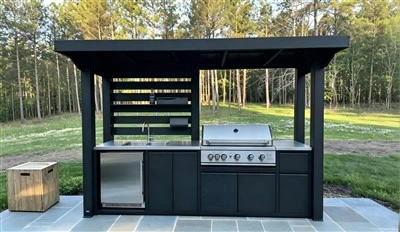
Robyn Outdoor Shandong RobynGoods Imp&Exp Co., Ltd.
As one of the most professional aluminum windows manufacturers and suppliers in China, we also support customized service. Please rest assured to wholesale discount aluminum windows in stock here from our factory. Quality products and reasonable price are available.
Address: Shengcheng Subdistrict, Shouguang, Weifang, Shandong Province, China
E-mail: owen@robynoutdoor.com
WebSite: https://www.robynoutdoor.com/
