If you’ve ever stood on a balcony at 7 a.m., watching sunlight stream through old, warped glass that lets in a frigid draft or a rainstorm that doesn’t quite stay out, you know how much the right door can change a space. For the last eight years, I’ve worked as a PVC glass door supplier—talking to homeowners, apartment complex managers, small business owners, and even contractors who’ve dealt with the same headaches: high maintenance costs, doors that crack at the wrong time, and installations that take days instead of hours. That’s why PVC glass doors for balconies aren’t just another home improvement product—they’re a solution to a lot of the frustrations that come with balancing outdoor access, indoor comfort, and long-term value. Let’s break down what makes them stand up to everyday use, what to look for when choosing one, and why they might just be the upgrade your balcony has been waiting for. PVC Glass Door
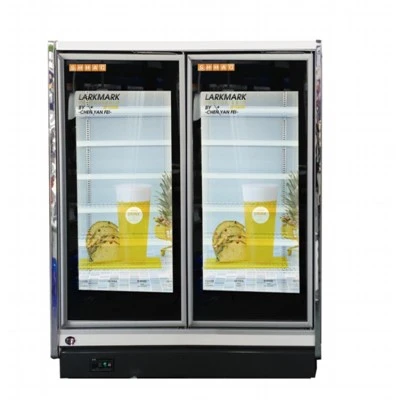
First, let’s talk about durability—because that’s the number one question everyone asks me when we start chatting. Balcony doors take a beating, right? They’re exposed to rain, snow, extreme heat, UV rays, and even the occasional impact from a stray ball or a windy day blowing debris. Most people assume glass doors all hold up the same, but PVC-framed glass doors are built differently. Unlike aluminum or wood frames, PVC (polyvinyl chloride) is a synthetic plastic polymer that’s engineered to resist moisture, rot, and corrosion. If you’ve ever had a wooden balcony door that started warping after a single winter thaw, or an aluminum frame that developed rust spots and started showing signs of wear within a few years, you know how costly those repairs can be. PVC doesn’t absorb water, so it doesn’t swell, crack, or peel when the weather changes. It also doesn’t fade from UV exposure—something I see all the time with cheap aluminum doors that turn a dull gray after just two years of direct sunlight. We’ve tested our PVC frames in temperatures ranging from -20°F in the winter to 120°F in the summer (we have a workshop in the Midwest, so that’s a real-world test) and they still fit tight, open smoothly, and don’t have any give. That matters because a loose frame means drafts, which drive up your heating and cooling bills. A warped frame means the glass doesn’t seal right, so you’re dealing with leaks when it rains.
Next, the glass itself—this isn’t the old thin, single-pane glass your grandma’s back porch had. Modern PVC balcony doors use insulated glass units (IGUs), which are two or three panes of glass sealed together with a gap in between, usually filled with argon gas. That gap is a game-changer for energy efficiency. Let’s do the math: a single-pane door has an R-value (the measure of thermal resistance) of about 1, while a double-pane IGU is around R-2, and a triple-pane can hit R-3 or higher. For context, a standard exterior wall has an R-value of about 13 to 20, so even our double-pane PVC doors don’t perfectly match that, but they’re way better than a traditional patio door that might be R-1.5. That means in the winter, less heat escapes through the door, and in the summer, less warm air seeps in from the balcony. We had a customer in Chicago last year who replaced their old sliding aluminum balcony door with our PVC model, and they said their monthly heating bill dropped by $45 in the first month. That’s the kind of real, tangible savings people care about.
Sound insulation is another big one, especially if your balcony is facing a busy street, a mall, or a construction zone. The gas gap in IGUs also helps muffle sound—double-pane PVC doors can reduce external noise by up to 30 decibels, which is like going from hearing a heavy traffic roar to hearing light background conversation. That’s a huge difference for anyone who works from home near their balcony, or just wants to sit and read without hearing every car that passes by. We also offer laminated glass as an option for people who want extra security—laminated glass has a plastic layer between the panes, so if it does get cracked, it doesn’t shatter into sharp pieces. That’s great for families with kids or pets, and it also adds a layer of privacy, since you can still see through it but people can’t make out details from the outside.
Now, let’s get into practicality—because no one wants a door that’s a hassle to clean, operate, or maintain. PVC is non-porous, so dirt, dust, and even mold don’t stick to it the way they do to wood or aluminum. To clean a PVC frame, all you need is a soft cloth and mild soap—no special cleaners, no sanding, no repainting every few years. Wood frames need to be sanded and stained every 3 to 5 years to prevent rot and weather damage, which can cost hundreds of dollars in labor and materials. Aluminum frames might need to be washed with a special solution to prevent oxidation, and any scratches can lead to rust over time. Our PVC frames don’t need any of that—just a quick wipe down once a month, and they look good for decades.
When it comes to operation, PVC balcony doors come in a few different styles, depending on your space and needs. Sliding doors are the most popular for small balconies, since they don’t swing open into the living space—perfect for apartments where floor space is limited. They glide on smooth rollers, and our models have sealed roller tracks that prevent dirt and debris from getting stuck, so you don’t have to clean the track every week to keep them moving. For larger balconies or spaces where you want wider access, hinged doors or French-style doors are a good option. They open outward, so they give you full access to the balcony, and they have a tight seal when closed to prevent drafts. We also offer tilt-and-turn doors, which are a favorite in Europe and growing in popularity in the U.S. because they can tilt inward for ventilation (without opening fully) and turn inward for full access. That’s great for days when you want fresh air but don’t want to leave the door wide open, especially if you have kids or pets.
Wait, but what about people who think PVC is just cheap plastic that looks tacky? That’s a common misconception, and I get it—years ago, PVC frames were bulky and had that shiny, plastic look that didn’t match modern home decor. But today’s PVC doors come in so many finishes and styles. You can get white, black, gray, or even wood-grain finishes that look just like real wood—you have to get up really close to tell the difference. We work with customers to match their existing trim, cabinetry, or exterior, so the door doesn’t stick out like an eyesore. We also offer different glass tints, from clear to frosted to privacy films, so you can customize the look to fit your space. Whether you have a modern apartment in the city, a suburban home, or a small cottage, there’s a PVC glass balcony door that will blend in seamlessly.
Another thing I often talk about is value. When you’re comparing prices, it’s easy to look at the upfront cost and think PVC is cheaper than other materials, but that’s not the only way to measure cost. Let’s say a wooden door costs $800 upfront, $300 every 4 years for staining and repairs, and lasts 10 years. That’s a total of $1,550 over 10 years. Our PVC door costs $1,000 upfront, has no maintenance costs, and lasts 25 years. That’s a total of $1,000 over 25 years—so over a 25-year period, the PVC door is almost half the cost of the wooden door, plus you get better energy efficiency and durability. Even compared to aluminum doors, which have a similar upfront cost, PVC lasts longer and requires no maintenance. For homeowners and property managers, that long-term value is huge—it means less time, less money, and less hassle down the line.
Of course, no product is perfect, and there are a few things to consider when choosing a PVC glass balcony door. First, make sure you get it installed by a professional. Even the best door won’t work right if it’s installed incorrectly. A bad installation can lead to drafts, leaks, and the door not closing or opening properly. We work with a network of certified installers across the country, so we can make sure the door is fitted correctly to your balcony’s opening, sealed properly, and tested to ensure it works as it should. Second, if you live in an area with extreme, constant wind or very heavy hailstorms, laminated or tempered glass is non-negotiable. Tempered glass is heat-treated to be four times stronger than regular glass, and if it does break, it shatters into small, round pieces instead of sharp shards. We always recommend tempered glass for balcony doors, and laminated as an extra layer if you live in a high-impact area. Third, size matters—make sure you measure your balcony opening correctly, and don’t try to force a door that’s too big or too small. We offer custom sizes, so even if your balcony has an irregular opening, we can build a door that fits perfectly.
Let me share a story that stuck with me, because it’s exactly why I do this work. Last year, I met a homeowner in Portland who had a 1950s home with a balcony door that was original to the house. The wood frame was rotting, the glass was single-pane, and every time it rained, water leaked into their living room. They had gotten quotes from three different places: one for a wooden door that would cost $1,200 upfront plus $400 every 3 years for maintenance, one for an aluminum door for $1,100 that had a 10-year warranty, and our PVC door for $1,050 with a 25-year warranty. They were worried about the plastic look, so we showed them our wood-grain finish samples, and they couldn’t believe how close it was to real wood. We installed it, and a month later, they sent me a photo of their balcony—they had planted herbs along the door, and they said they finally use their balcony in the winter because it’s warm, no more drafts, and the door looks like it’s always been part of the house. That’s the kind of outcome that makes all the late nights troubleshooting designs and talking to customers worth it.
I also want to touch on sustainability, because that’s something a lot of people care about now. PVC has a reputation for being bad for the environment, but modern PVC production is a lot different than it was 20 years ago. Our frames are made with 100% recyclable PVC, and at the end of a door’s life, they can be melted down and turned into new products—no waste going to landfills. In fact, PVC is one of the most recyclable plastic materials in the construction industry. Compare that to wood, which requires cutting down trees, and aluminum, which has a high carbon footprint from mining and processing. Our PVC doors also help reduce energy waste by keeping heat in and cool air out, which lowers greenhouse gas emissions from heating and cooling systems. For customers who want to make eco-friendly choices for their home, PVC glass doors are a solid option that doesn’t sacrifice quality.
So, whether you’re a homeowner looking to upgrade your balcony, a property manager managing a multi-unit building, or a contractor working on a new construction project, a PVC glass door for your balcony is worth considering. They’re durable, low-maintenance, energy-efficient, customizable, and offer long-term value that other materials can’t match. At the end of the day, a balcony is supposed to be a space you enjoy—whether it’s sipping coffee in the morning, hosting a small dinner party, or just relaxing after a long day. A good door that connects your indoor space to that outdoor space makes all the difference.

If you’re ready to learn more, or want to get a custom quote for your balcony, feel free to reach out. We can walk you through the different styles, finishes, and options, and help you pick the right door for your space, budget, and needs. Don’t let old, worn-out doors ruin your balcony experience—upgrade to a PVC glass door and start enjoying your outdoor space the way it was meant to be enjoyed.
TLCD Glass Door References
- International Energy Conservation Code (IECC) – Thermal Performance of Exterior Doors.
- American Architectural Manufacturers Association (AAMA) – Standard for PVC Frames for Windows and Doors.
- National Wood Flooring Association – Maintenance Lifespan of Wood vs. PVC Exterior Components.
- U.S. Department of Energy – Insulated Glass Units: Energy Efficiency Benefits.
- Environmental Protection Agency (EPA) – Sustainable Construction Materials: PVC Recycling and Environmental Impact.
Coste Glass Door Co., Ltd.
As one of the most professional pvc glass door manufacturers and suppliers in China, we’re featured by quality products and good price. Please feel free to wholesale bulk pvc glass door in stock here and get quotation from our factory. Customized orders are welcome.
Address: 41/47, VILLAGE NO.5 KHOK KRABUE SUBDISTRICT MUEANG SAMUT SAKHON DISTRICT ,SAMUT SAKHON PROVINCE 74000 ,Thailand
E-mail: Alicezhou@shhag.com
WebSite: https://www.costeglassdoor.com/
