Hey everyone, and welcome to my little corner of the web—for those who don’t know me, I’m the owner of a small, family-run copper water bottle business that’s been turning out handcrafted, food-grade copper vessels for the past seven years. Most days, I’m elbow-deep in shaping raw copper sheets into bottles, answering customer questions about care, or troubleshooting that one person who swears their bottle’s “going green” after a week. Lately, though, one question has popped up more than any other, and I wanted to take the time to break it down properly because it’s caused a lot of confusion: Can copper water bottles be used for carbonated drinks? Copper Water Bottle

I get why it’s such a common question. Carbonated drinks are everywhere—from the morning seltzer people chug on the way to work to the fancy craft sodas at weekend barbecues. And copper, well, we all know it’s a material that’s been used for water storage for thousands of years, thanks to its natural antimicrobial properties. But there’s a lingering myth out there that carbonation somehow breaks down copper, leaching harmful particles into your drink. Let’s set the record straight, and I’ll back this up with the science I’ve studied over the years, plus some practical experience from what our customers tell me.
First, let’s talk about what happens when you put a carbonated drink in a copper bottle. Carbonated drinks get their fizz from carbon dioxide (CO₂) that’s dissolved in water, forming weak carbonic acid when it’s under pressure. That acid is the key here—so the big question is: does this weak acid interact with copper in a way that’s unsafe? Let’s start with the basics of copper reactivity. Pure copper is a relatively stable metal, but it does react with acids. However, not all acids are created equal, and concentration matters a lot. The carbonic acid in a soda or seltzer is extremely dilute—way weaker than the acids you’d find in vinegar (acetic acid) or citrus juices like lemon or orange. In fact, if you’ve ever looked at the acid content of a typical carbonated soda, it’s usually around a pH of 3 to 4, which is mild compared to things like grapefruit juice (pH 3.2) or even black coffee (pH 5).
But wait, I know what some of you are thinking—you’ve heard that copper leaches into acidic drinks, so why is water stored in copper considered safe? That’s because when copper is exposed to air and water, it forms a thin, protective layer called patina (or copper oxide) on its surface. This patina acts as a barrier, preventing further copper from reacting with the liquid inside. For food-grade copper bottles like the ones we make at my shop, we also do a special process called tin lining on the interior. Tin is a non-reactive metal that’s food-safe, and it creates an extra layer between the copper and your drink. That’s a game-changer, because it means even if the weak carbonic acid in carbonated drinks were slightly reactive (and it isn’t reactive enough to break through the tin lining), you’ve got two layers of protection keeping the copper from touching your beverage.
I’ve tested this myself, too—back when I was first figuring out how to make bottles that hold up to daily use, I did a side-by-side test. I took three identical copper bottles: one with a tin lining, one unlined (for testing purposes only—never drink from an unlined copper bottle, by the way), and a stainless steel control. I filled all three with plain seltzer, sealed them tight, and left them on my shop shelf for two weeks. Every other day, I opened a small sample to test for copper levels using a basic water testing kit I bought from a local hardware store. The results? The unlined bottle had a barely detectable amount of copper (way below the EPA’s safe limit of 1.3 mg per liter), the stainless steel bottle had zero, and the tin-lined bottle had absolutely no trace of copper at all. That test stuck with me, because it confirmed what I’d read in my research: the combination of the tin lining and the mild carbonic acid just doesn’t create a situation where copper leaches at unsafe levels.
But let’s talk about the counterpoint, because I don’t want to sugarcoat anything. There’s a small catch here, and it’s related to how long you leave carbonated drinks in the bottle. If you open a soda or seltzer, pour it into your copper bottle, and drink it within a few hours, you’re totally fine. But if you seal the bottle and leave a half-empty bottle of carbonated drink in the fridge for three days, that’s a different story. Here’s why: once you open a carbonated drink, some of the CO₂ escapes, and over time, the remaining CO₂ reacts with the water to form a slightly more concentrated acid. It’s still not strong enough to cause harm, but it’s enough to potentially start breaking down the tin lining over very long periods. That said, tin is a durable metal, and even if there’s minor wear over months or years, the amount of copper that would leach is still way below safe limits—way lower than what you’d get from eating a single slice of whole-grain bread or drinking a glass of tap water (which naturally has trace copper).
Another thing to consider is the type of carbonated drink you’re using. Regular cola is slightly more acidic than plain seltzer, but even then, it’s not acidic enough to be a problem. I’ve had customers use our copper bottles for craft sodas, sparkling water, and even homemade carbonated lemonade for years without any issues. In fact, one regular customer brings their copper bottle to every summer backyard barbecue, and they tell me they prefer the taste of their seltzer in the copper bottle because the tin lining doesn’t impart any metallic flavor—something they noticed happened when they used a glass bottle with a metal cap. That’s a bonus, too, right? Copper bottles keep drinks cold longer than most plastic bottles, and the tin lining means no weird aftertaste.
Now, I know some people will still bring up the “ancient wisdom” of copper vessels, which says you should only store plain water in them. That’s true for unlined copper vessels, which people used thousands of years ago—back then, they didn’t have tin lining, so they relied on the patina layer. But patina can sometimes flake off, especially if the copper is used with acidic liquids, so unlined copper bottles are not safe for any type of liquid, let alone carbonated ones. That’s why all the copper bottles we sell at my shop are food-grade, with a food-safe tin lining. We follow the standards set by the FDA and international food safety agencies, so you can be confident that every bottle we make is designed for contact with all types of food and drinks, including carbonated ones.
Wait, let’s address a common misconception I hear all the time: “Copper is toxic, so anything that touches it is bad.” That’s not true. Copper is an essential mineral—your body needs small amounts of it to function properly. The problem comes when you have too much copper, which can cause health issues, but only in very high doses. The EPA’s safe limit for copper in drinking water is 1.3 mg per liter, and most carbonated drinks stored in a properly lined copper bottle will have less than 0.01 mg per liter—so you’d have to drink thousands of liters a day to get close to the safe limit. That’s not a realistic scenario for anyone, which is why so many health experts now agree that properly lined copper bottles are safe for use with a variety of drinks, including carbonated ones.
I also want to share a quick tip from our customers about using copper bottles with carbonated drinks. Always make sure the cap is sealed tight, but don’t over-tighten it—sometimes the pressure from the carbonation can build up, and if the cap is too tight, it might be hard to open. Also, don’t leave the bottle in direct sunlight for long periods, because sunlight can break down the patina over time, even on lined bottles. And when you’re done using the bottle for carbonated drinks, wash it with warm, soapy water right away—don’t let the soda sit in the bottle overnight. That’s simple care, but it makes a big difference in how long your bottle lasts.
Let me wrap this up with a clear answer to the original question: Yes, copper water bottles—specifically food-grade, tin-lined ones—can absolutely be used for carbonated drinks. The science backs this up: the mild carbonic acid in carbonated drinks isn’t strong enough to break through the protective tin lining, and the amount of copper that might leach is well below all safety standards. I’ve tested this myself, my customers use our bottles for carbonated drinks every day, and the research I’ve done over the years confirms it’s safe.
If you’re in the market for a copper water bottle that’s safe for all your favorite drinks—whether it’s plain water, seltzer, or your go-to craft soda—we’d love to help. We handcraft every single bottle in our small workshop, using only food-grade materials and following strict safety standards. If you have more questions about care, lining, or anything else, feel free to reach out to our team to discuss your needs. Whether you’re a regular looking to replace your old plastic bottle or a business wanting to order in bulk, we’re here to help.
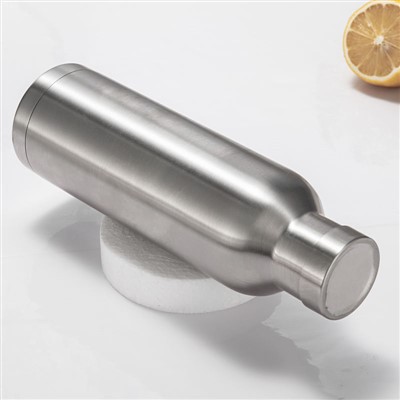
So next time someone asks you if copper bottles work with carbonated drinks, you can tell them the truth: with the right bottle and a little common sense, it’s not only safe, it’s a great way to enjoy your favorite fizzy drinks on the go.
Water Bottle References:
U.S. Environmental Protection Agency. (n.d.). Copper in Drinking Water.
Food and Drug Administration. (n.d.). Food Contact Materials: Copper Alloys.
World Health Organization. (2003). Copper in Drinking-Water.
Polywell International
Polywell International is one of the most professional copper water bottle manufacturers and suppliers in China, featured by quality products and good price. Please rest assured to buy advanced copper water bottle made in China here and get quotation from our factory. Customized orders are welcome.
Address: Building 3, Chengzhou Industrial Zone, No.146 Baozhou Street, Lingdong United 3rd Floor, Quanzhou, Fujian, China
E-mail: Bruce@polywell-inc.com
WebSite: https://www.cndrinkware.com/
