If you’ve spent any time in industrial piping, process systems, or oil and gas operations, you’ve probably heard the term “double block and bleed” (DBB) thrown around. What might be less clear, though, is that “double block and bleed plug valve” and “double block and bleed valve” aren’t interchangeable terms—despite what some casual industry conversations might suggest. As a supplier specializing in DBB plug valves, I’ve spent years walking clients through this distinction, and it’s one that can make the difference between compliant, safe operations and costly, even dangerous, mistakes. Let’s break this down simply, no overly dense engineering jargon, just the kind of practical insight I share with every customer who reaches out to us for the first time. Double Block and Bleed Plug Valve

First, let’s start with the core purpose of any double block and bleed system, to set the baseline. DBB technology exists to isolate sections of a piping line for maintenance, repair, or inspection without fully draining or depressurizing the entire system. The concept relies on three core functions: two “blocks” that seal off the flow on either side of a segment, and a single “bleed” port between the two blocks that lets you vent any trapped fluid, gas, or pressure. That bleed step is non-negotiable for safety—it confirms both blocks are actually holding pressure, and it removes any residual media that could leak or cause a hazard when you open the isolated section.
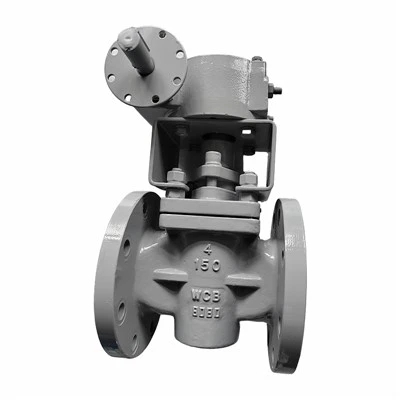
Now, that’s the general DBB framework, but here’s where the two terms diverge. A generic double block and bleed valve is a category of valve that includes any DBB-capable design, from gate valves and ball valves to plug valves. It’s a broad umbrella term describing functionality, not a specific valve type. A double block and bleed plug valve, by contrast, is a specific type of DBB valve built with a plug as its sealing element, designed with the DBB functionality built directly into its structure. It’s not just a plug valve that’s retrofitted to add a bleed port; it’s engineered from the ground up to execute the two-block, single-bleed cycle as an integrated system.
Let’s dive deeper into how that structural difference plays out in real use. Take a generic DBB ball valve, for example. Most basic DBB ball valves use two ball seats (one on each side of the valve’s ball) to act as the two blocks. When the valve is closed, the ball seats press against the ball to seal off upstream and downstream flow. The bleed port is a small hole drilled into the valve body between the two seats, so any media trapped between the seats vents through that port. That works, but it has limitations. The seats in a ball valve are soft (usually PTFE or similar polymer), so they can wear down faster when handling high-velocity, abrasive, or high-temperature media. That means they might fail to hold a proper block, defeating the DBB purpose.
Our double block and bleed plug valve works differently. A plug valve uses a cylindrical or tapered plug that rotates 90 degrees to open or close the line. For DBB functionality, we machine the plug itself with two separate sealing lands—flat, precision-machined surfaces that act as the two blocks. Between those two lands, we drill a dedicated bleed passage that connects directly to the valve’s outer body. When the valve is in the closed, DBB configuration, the upstream side presses against the first land (block one), the downstream side presses against the second land (block two), and any fluid or pressure trapped between the two lands flows out through the bleed passage. That integrated design means there’s no extra component (like a separate seat) that can fail independently; the sealing and bleed functions are all part of the plug and body.
The practical implications of that difference are huge for industrial operators. Let’s talk about maintenance first. A generic DBB valve that’s not a plug valve often requires external seals or gaskets for the bleed port. Those external components can degrade over time from exposure to harsh process media, meaning you have to inspect them frequently and replace them regularly, which adds downtime and cost. Our DBB plug valve’s bleed passage is internal, so there are no external seals to leak or wear out. That reduces maintenance intervals by as much as 30% in many applications, a stat we’ve seen across hundreds of refinery, chemical plant, and water treatment sites we supply.
Then there’s performance in extreme conditions. If you’re working with high temperatures (over 400°F) or abrasive media like sand slurries, soft-seated generic DBB valves will struggle. The soft seats can deform or erode, leading to “block leakage” — a situation where one of the seals fails, so the trapped media isn’t properly vented, which can lead to unexpected pressure releases or contamination of the maintenance area. Our DBB plug valve uses metal-seated lands (or hybrid metal-PTFE, depending on the application) that hold up far better in those conditions. We design the plug’s lands to create a positive seal even after thousands of cycles, so the bleed step is always reliable. That’s not to say generic DBB valves are useless—they’re perfect for low-pressure, non-abrasive, low-temperature applications where cost is the top priority. But for critical lines where safety and uptime matter, the plug valve variant is the clear choice.
Another key distinction is pressure rating. Generic DBB valves, especially ball valves, often have lower maximum pressure ratings for their DBB functionality. Many standard DBB ball valves are limited to 150 psi or 300 psi when used in double block and bleed mode. Our DBB plug valves, by contrast, can handle up to 2000 psi and higher, depending on the model, making them suitable for upstream oil and gas wellheads, high-pressure chemical processing, and pipeline isolation where pressure is extreme. That’s a structural difference: the plug’s solid sealing element distributes pressure evenly across the valve body, while a ball valve’s seat is a softer, more vulnerable component that can blow out under high pressure if not specially reinforced.
I can’t tell you how many times a client has come to us after experiencing a failure with a generic DBB valve. One customer in the petrochemical sector, for example, had been using a generic DBB gate valve to isolate a line carrying corrosive acid. The gate’s seals wore out after 18 months, leading to a small leak between the two blocks. They had to shut down the entire line for a weekend to repair it, costing them over $120,000 in lost production. After switching to our DBB plug valve, they’ve gone four years without a similar issue. That’s the kind of real-world impact that comes from understanding the difference between the two terms.
Let’s also address a common misconception: some people think “double block and bleed plug valve” is just a plug valve with a bleed port added as an afterthought. That’s not the case. Every DBB plug valve we manufacture is designed to meet ISO 14313 (the standard for petroleum and gas pipelines) and API 6D (the standard for pipeline valves) specifically for DBB functionality. We test each valve before it leaves our facility: we pressurize the upstream side, close the valve, check that the downstream side is fully isolated, vent the bleed port, and confirm no residual pressure remains. That’s a level of validation you might not get with a retrofitted plug valve, which often skips the formal DBB testing required for critical applications.
So, to recap, the core differences that matter for operators are:
- Category vs. Specific Design: A double block and bleed valve is a broad category of DBB-enabled valves, while a double block and bleed plug valve is a specific, engineered type within that category.
- Sealing Mechanism: Generic DBB valves rely on separate sealing components (seats, gates, or balls) for blocks; DBB plug valves use precision lands on the plug itself, with an internal bleed passage.
- Durability and Performance: DBB plug valves hold up better in high-temperature, high-pressure, and abrasive environments, with fewer external components to maintain.
- Compliance and Testing: Quality DBB plug valves meet strict industry standards for DBB functionality, with formal testing to confirm performance, while generic DBB valves may have less rigorous validation for critical use cases.
Now, I know every operation is different. What works for a small municipal water treatment plant might not work for a remote oil pipeline, and vice versa. If you’re not sure which type of valve is right for your system, that’s exactly what I’m here for. I’ve worked with operators for over a decade to match the right valve design to their specific needs—whether that’s a low-cost generic DBB valve for a non-critical line, or a heavy-duty DBB plug valve for a high-pressure, high-safety application.
Don’t let the jargon or vague terminology lead you to make a choice that could impact your operations. If you’re looking to upgrade your isolation valves, replace worn components, or learn more about how DBB plug valves can improve your uptime and safety, reach out to our team to discuss your requirements. We’re ready to provide custom recommendations, share performance data from real-world applications, and answer every question you have—no sales pitch, just honest, practical advice from a supplier who specializes in DBB plug valves.
Pressure Balanced DBB Plug Valves References
API 6D, 2020, Pipeline Valves, American Petroleum Institute.
ISO 14313:2019, Petroleum and Natural Gas Industries – Pipeline Transportation Systems – Pipeline Valves, International Organization for Standardization.
Valve Magazine, 2022, “Double Block and Bleed Valves: Selection, Installation, and Maintenance”, Endeavor Business Media.
Process Safety Progress, 2021, “Isolation Valve Reliability in Critical Process Systems”, American Institute of Chemical Engineers.
Zhejiang Demelong Fluid Technology Co., Ltd.
As one of the most reliable double block and bleed plug valve manufacturers and suppliers in China, we’re featured by quality products and good service. Please rest assured to buy bulk durable double block and bleed plug valve from our factory. If you have any enquiry about customized service, please feel free to email us.
Address: No.7936, Sunshine Avenue, Oubei Street, Yongjia County, Wenzhou City
E-mail: dml@zjnsvalve.com
WebSite: https://www.cn-dmlv.com/
