Hey there, so you’re probably reading this because you’ve got a weirdly specific question: how does that super tough, scratch-resistant glass on your phone, shower door, or storefront window actually get made? As someone who’s been supplying tempered glass for over a decade now, I get it—most people just see the end product and don’t think about the behind-the-scenes work that keeps it from shattering into a million sharp shards when it takes a hit. Let me break this down like I would to a regular customer who stops by my shop, no fancy textbook jargon, just the real process we use every single day. Tempered Glass
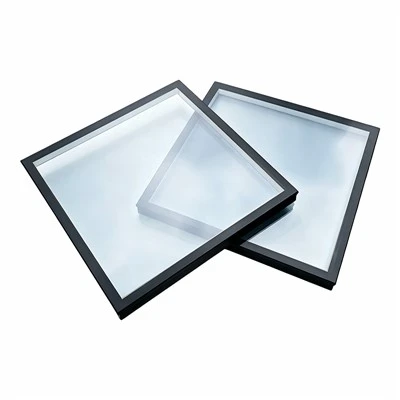
First off, let’s set the baseline: tempered glass isn’t just regular glass that got thrown in a microwave or something (I’ve had that question a hundred times, I swear). It’s a safety glass, meaning it’s engineered to break safely instead of sending razor-sharp pieces flying. The whole trick is balancing tension and compression in the glass, right? If you mess that up, you get weak spots that crack or, worse, blow out for no reason. We start with the exact same raw glass you’d get from a float glass manufacturer—most of the time, that’s clear soda-lime glass, which is the standard for windows and stuff. No weird lab-made fancy glass here; just clean, uniform sheets that we cut to the size the customer orders.
Wait, hold up—before we even heat anything, there’s a prep step that’s non-negotiable. Cutting the glass has to be perfect. If the edges are rough, or the size is off by even a millimeter, the tempering process will highlight that flaw big time. So first, we use precision cutting tools—usually computerized, but we still do a quick manual check every 10 sheets just to make sure the machines didn’t slip. Then, if the customer needs holes drilled for a shower door handle or notches cut for a window frame, that happens now too. We can’t drill or polish edges after tempering because tempering makes the glass super hard—drilling it later would cause stress cracks. That’s a rookie mistake, and we’ve had to fix enough of those for other shops to know better.
Next up, the big step: heating the glass to almost its melting point. We load the cut and shaped sheets into a tempering furnace, which is basically a giant oven that can hit like 1,200 degrees Fahrenheit. Why that temp? Because at that point, the glass is soft enough to bend a little, but not so hot that it turns goopy. We hold it there for a specific amount of time—depends on the thickness of the glass, obviously. A 1/4-inch sheet takes longer than a thin phone screen panel, duh. The key here is even heating. If one side of the sheet is hotter than the other, it’ll warp, and we can’t use it. That’s why our furnaces have multiple heating zones, and we monitor the temp in real time with like 20 sensors. No cutting corners here; a warped sheet is worthless, and we can’t sell defective stuff to customers.
Once the glass is uniformly soft and hot, we yank it out of the furnace super fast—like, in seconds—and blast it with high-pressure cold air from all sides at once. This is where the magic happens, the part that makes tempered glass different from regular glass. The outside of the glass cools immediately, right? It hardens first. But the inside is still hot and soft. As that inside cools later, it shrinks, and since the outer layer is already rigid, it pulls the outer layer tight. That creates compression on the surface and tension in the center—exactly what we want. The compression is why tempered glass is like 4 to 5 times stronger than regular glass. It takes a lot more force to break, because you have to overcome that outer compression first. If it does break, though, the tension makes it crumble into those tiny, harmless cubes instead of sharp shards. That’s the safety part, and it’s why all building codes require tempered glass for things like storefronts, shower enclosures, and table tops.
Wait, but let’s be real—this process is finicky. Even small variables can mess it up. Like, if the air blast is too strong, the glass will be too compressed, and it might spontaneously shatter later (we call that “nick shatter,” and it’s a nightmare). If the air is too weak, the compression is off, and the glass is just barely stronger than regular glass, which defeats the purpose. That’s why we test every batch. We take a random sheet from every run, drop a steel ball on it from a standard height, or hit it with a standardized impact tool. If it doesn’t break, or breaks safely into cubes, it’s good to go. If not, we adjust the furnace temp, the air pressure, or the cool-down time and try again. No exceptions. We can’t send out a bad sheet—bad for the customer, bad for our reputation.
Also, a lot of people ask: can we add a tint, or a coating, to tempered glass? Yeah, but we have to do it before tempering. You can’t put a tint or a low-e coating (that’s the energy-efficient one for windows) on after, because the heat of the furnace would melt or ruin the coating. So if a customer wants tinted tempered glass, we start with tinted float glass, cut it to size, run it through the furnace, and blast it. Same with frosted glass—we etch the design or the frosted finish on before tempering. That’s a good tip if you’re ordering; if you wait to add coatings later, you’re stuck with regular glass, not tempered.
Another thing I get asked all the time: what about laminated glass? That’s different, right? Yeah, laminated is two glass sheets with a plastic layer in between, so it doesn’t shatter at all. Tempered is single glass that breaks into cubes. We do both, but our tempered glass is the go-to for most applications where you need strength—like car windows (the side windows, not the windshield, which is laminated), phone screens, and heavy-duty store displays.
Now, let’s talk about what makes our supply different from other glass shops. A lot of big factories cut corners on the tempering step—they rush the heating, use old furnaces, or skip the quality checks to save time. But we’ve been doing this for years, so we know that the small details matter. We use new furnaces with precise temperature controls, we never skip the random testing, and we make sure every sheet is cut and prepped right before it goes in the oven. That’s why our customers come back—they know they’re getting glass that’s going to hold up, not fail in a year.
If you’re a builder, a contractor, a store owner, or someone who needs tempered glass for a project, don’t hesitate to reach out. Whether you need a single custom piece for a shower door, or bulk sheets for a commercial storefront, we can make it to your specs. We’ll walk you through the process, tell you exactly what you need, and make sure you get the right glass for the job. No confusing sales talk, no hidden fees—just straight talk and good product.
Before I wrap this up, let’s clear up a common myth. Tempered glass can’t be cut after it’s tempered. If you try to cut it once it’s gone through the furnace, it’ll just shatter into those little cubes. That’s why all cutting, drilling, notching happens before tempering. If you mess up the size before it goes in, you’re stuck—so double-check your measurements before you order, and if you’re not sure, ask us. We’re here to help, not just sell you glass.
Okay, that’s the whole process, right? It’s not rocket science, but it’s not just heating glass either. It’s all about that balance of heat and cool, tension and compression. Every step matters, from the raw glass to the final test. If you’re looking for a reliable tempered glass supplier, we’ve got you covered. Hit us up to chat about your project—we’d love to work with you.
Laminated Glass References
- "Tempered Glass Manufacturing Process." Glass Packaging Institute.
- "Safety Glass: Tempered vs. Laminated." American Architectural Manufacturers Association.
- "Understanding Glass Tempering and Stress Distribution." Journal of Non-Crystalline Solids, vol. 356, no. 37-40, 2010, pp. 1985-1990.
- "Float Glass Production and Fabrication Methods." Glass Science and Technology: An International Journal, vol. 85, no. 6, 2012, pp. 189-196.
Suzhou Dingcheng Tempered Glass Co., Ltd.
As one of the most professional tempered glass manufacturers and suppliers in China, we also support customized service. We warmly welcome you to wholesale high quality tempered glass made in China here from our factory. If you have any enquiry about free sample, please feel free to email us.
Address: No.777 Limin North Road, Lili Town, Wujiang District, Suzhou City, Jiangsu Province
E-mail: Dingchengglass@163.com
WebSite: https://www.dingchengglass.com/
