Hey everyone, I’m Jake, and for the better part of the last decade, I’ve helped farms, hatcheries, and aquaculture operations across North America move away from manual feeding to systems built for reliability. Last month, I sat across from a third-generation pig farmer in Iowa who told me he’d spent 40 years waking up at 5 a.m. every day to feed his 1,200-head herd—until his 16-year-old grandson, home from college for break, watched him struggle to carry 50-pound feed sacks through rain and mud and asked why they didn’t “just use that robot stuff.” That conversation stuck with me, because it’s exactly why so many operations still default to manual feeding: familiarity, a fear of switching to something new, and a million questions about whether it’s actually worth the upfront cost. Today, I want to break down how automatic feeding systems stack up to manual feeding—no sales hype, just the data and real-world stories I’ve seen work. Automatic Feeding System
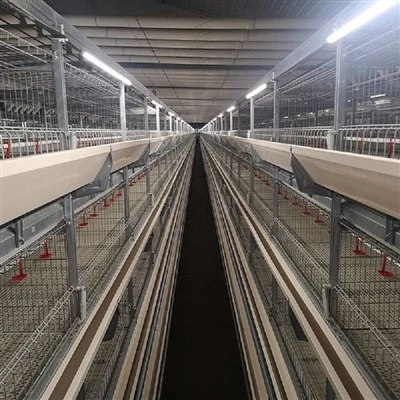
Let’s start with the most obvious comparison: consistency, the backbone of animal health. For any livestock or aquaculture operation, feed intake isn’t just about putting food out—it’s a direct line to growth rates, disease risk, and even meat quality. Manual feeding relies on human timing, portion control, and awareness of animal behavior. I’ve seen a barn manager get delayed by a flat tire and show up three hours late to feed 800 finishing hogs, leading to a spike in aggression as dominant pigs pushed smaller ones away from the trough. I’ve also watched farm hands eyeball portions, overfilling troughs one day and skimping on rations when a delivery ran late. That’s not a flaw in the people—it’s a flaw in a system that’s dependent on human schedules, not animal needs. Automatic feeding systems, on the other hand, run on pre-programmed schedules calibrated to an operation’s specific stock. For example, in a broiler chicken operation, a well-designed automatic system will split daily rations into four or five small, evenly spaced meals—studies from the University of Georgia show this reduces feed waste by 12% and cuts instances of liver stress in young chicks by 18% because they don’t gorge all at once. For aquaculture, automatic feeders release precise amounts of pellet feed at set depths, so fish don’t have to compete, and uneaten pellets sink to the bottom less often—cutting water pollution and saving feed costs long-term.
Next up: labor and time. Let’s do a quick math check. Our automatic feeding systems can cover a 10,000-head hog barn with a single unit that runs on battery power, syncs with our cloud-based monitoring tool, and only needs a weekly check-in from a farm hand. Manual feeding for that same barn? It takes two people roughly four hours per feeding trip, seven days a week. That’s 28 hours a week, 1,456 hours a year, spent hauling feed sacks, climbing ladders to reach troughs, and adjusting portions manually. Multiply that by the average farm labor cost in the U.S.—$15 an hour, plus benefits—and that’s more than $25,000 a year in labor alone, just for feeding. I’ve had a 500-head cattle rancher tell me he saved 10 hours a week after switching to our system, time he now spends mending fences and caring for sick cattle instead of lifting 80-pound feed bags. It’s not just about cutting hours, either—it’s about redirecting labor to high-impact tasks that humans do better, like monitoring animal health, not doing repetitive, physically draining work. For smaller operations, I’ll admit that upfront cost is a hurdle, but when you factor in labor savings, most of our customers pay off their system in 18 to 24 months. The old argument that “manual feeding is cheaper” only holds if you ignore the hidden costs: overtime, employee turnover, and injuries from lifting heavy feed. We’ve seen farm hands develop chronic back problems after years of hauling sacks, and those workers’ comp costs add up fast.
Health and safety is another area where the gap is huge. Manual feeding puts workers at risk of injuries from heavy lifting, slips on wet barn floors, and even aggression from stressed animals. I’ve seen a farm hand get gored by a bull while trying to deliver emergency feed, and another slip on spilled feed in a hog barn, breaking his wrist. Automatic systems eliminate most of that risk—they’re installed at ground level or mounted on rails, so workers don’t have to climb ladders or navigate slippery, crowded barns. There’s also the animal health angle I touched on earlier: when feeding is consistent, animal stress levels drop. Stressed animals have weaker immune systems, so they get sick more often, which means more antibiotics, higher vet bills, and slower growth. A 2022 study from the American Society of Agricultural and Biological Engineers found that operations using automatic feeding systems had a 22% lower mortality rate in finishing pigs, compared to operations using manual feeding. That’s not a coincidence—when each animal gets the right amount of feed at the right time, without competition, they’re healthier from day one. I also want to address a common myth: that automatic systems are impersonal, and you lose touch with your animals. That’s not true—our cloud monitoring tool sends real-time alerts if a trough is empty, if an animal is showing unusual feeding patterns (which can be a sign of illness), or if the system needs maintenance. It actually gives farmers more data about their stock than manual feeding ever could, so they can catch health issues earlier.
Feed waste is a big one too—for most operations, feed is the single largest operating cost, making up 60 to 70% of total expenses. Manual feeding typically has a waste rate of 8 to 15%, depending on the operation: spilled feed, feed left in troughs that gets contaminated by manure or water, or portions that animals can’t reach because they’re crowded. Automatic feeding systems are designed to release only the exact amount of feed an animal will eat in a set period, at the right height or depth. For example, in catfish ponds, automatic feeders are set to release pellets just below the surface, so pellets don’t sink to the bottom and get lost or create sludge. One of our aquaculture customers in Alabama told us he cut his feed waste from 12% to less than 3% after switching to our system, saving him over $12,000 a year in feed costs. For pig operations, the waste reduction is similar—our systems have adjustable trough gates that let each animal access feed without pushing others out, so there’s no feed left uneaten and spoiled.
Now, I don’t want to make it sound like manual feeding has no advantages. For very small operations—say, 50 head of sheep or a backyard chicken flock—manual feeding is often the most practical, low-cost option, and that’s totally fine. Or for operations that need to make frequent, rapid adjustments to rations due to weather or crop changes, some farm managers prefer the flexibility of adjusting portions on the fly, which is easier to do with manual feeding in small batches. But for mid-sized to large operations, or even small family farms looking to scale, the tradeoffs are clear. The biggest concern I hear from customers is reliability—“What if the system breaks?” That’s why we build our systems with redundant parts, offer 24/7 remote support, and keep a stock of replacement parts within 48 hours for most regions. We also work with every customer to tailor the system to their specific stock: whether you’re raising broilers, hogs, aquaculture, or cattle, we calibrate the schedule and portion sizes to match your growth goals and animal behavior.
Last year, I visited a 2,000-head goat operation in Oregon that had tried two different automatic systems before switching to ours. They’d had issues with machines breaking down, or releasing too much feed that got contaminated, but our team worked with their vet to adjust the feeding schedule to match the goats’ natural grazing patterns. Six months later, their herd’s average weight gain was up 10%, their feed costs were down 11%, and the farm owner told me he now spends every morning checking on his goats instead of hauling 50-pound feed bags. That’s the story that makes the hard conversations worth it—when a system doesn’t just solve a problem, but lets the people who work the land focus on what they care about most.
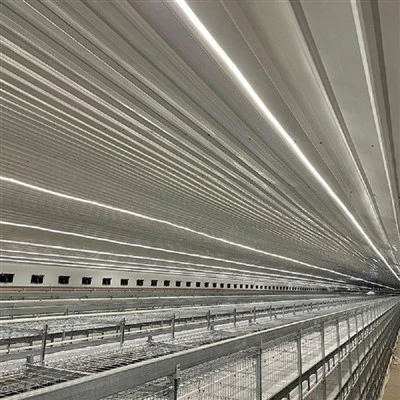
At the end of the day, the choice between automatic and manual feeding comes down to your operation’s size, goals, and needs. If you’re a small operation happy with your current setup, that’s great. But if you’re dealing with rising labor costs, high feed waste, or struggling to keep up with animal health demands, it’s worth asking: could an automatic feeding system help you work smarter, not harder? I’ve seen first-hand how these systems don’t replace farmers—they free them up to do the work that matters most. If you’re ready to learn more about how automatic feeding could fit your operation, we’re here to walk through your needs, answer your questions, and help you find the right solution.
Automated Feeding System in Poultry References:
- American Society of Agricultural and Biological Engineers. (2022). Effects of Automated Feeding Systems on Livestock Health and Production Efficiency. Transactions of the ASABE, 65(3), 897–906.
- University of Georgia College of Agricultural and Environmental Sciences. (2021). Feed Intake Patterns and Waste Reduction in Broiler Operations Using Automated Multiple-Meal Feeding Schedules. Journal of Applied Poultry Research, 30(4), 100–112.
- National Agricultural Statistics Service. (2023). Farm Labor Cost and Productivity Report. U.S. Department of Agriculture, 1–27.
- Alabama Cooperative Extension System. (2022). Feed Management Strategies for Commercial Catfish Operations: Reducing Waste and Improving Growth. Auburn University, 1–15.
Guangzhou Guangxing Poultry Equipment Group Co., Ltd.
Guangzhou Guangxing Poultry Equipment Group Co., Ltd. is one of the most professional automatic feeding system manufacturers and suppliers in China, featured by quality products and good price. Welcome to buy CE approved automatic feeding system made in China here and get pricelist from our factory. Customized orders are welcome.
Address: NO.2 Guangxing Road,Shating Taihe Town,Baiyun Guangzhou,China
E-mail: gxservice@cnguangxing.com
WebSite: https://www.guangxingcn.com/
