Hey there, if you’re reading this, odds are you’ve got a pellet grill stashed in your garage, or maybe you’ve just picked one up from our lot and are panicking a little about getting it home safely. Or wait—you might even be someone who’s thinking about buying one (smart call, by the way) and wondering how on earth you’re gonna get that big, heavy thing from point A to point B without accidentally cracking the hopper or spilling all those wood pellets. As a pellet grill supplier who’s been working with these things for years, I’ve seen just about every transport fail you can imagine—from someone trying to fit a 50-inch grill in a tiny sedan to a guy who forgot to empty the hopper and spilled pellets all over his trunk. Today, I’m breaking down exactly how to move your pellet grill like a pro, no stress, no damage, and no random piles of wood pellets in your backseat. Pellet Grills
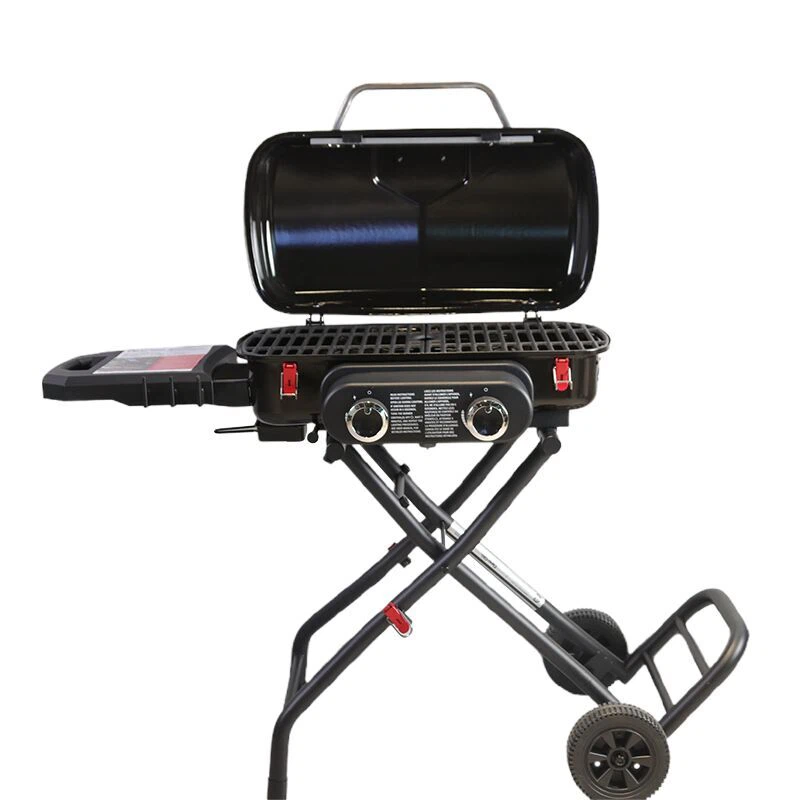
First off, let’s get one thing straight: pellet grills aren’t like those old charcoal grills you haul around for tailgates. They’re way more complex. You’ve got that big hopper on the side that holds all your wood pellets, a control panel with wires, a grease tray, and often a stand or cart that makes it even sturdier but also heavier. Most of our customer’s mid-sized grills weigh anywhere from 150 to 250 pounds, and the big ones—like our 60-inch backyards models? They tip the scales at 300+ pounds. So, hauling this thing wrong isn’t just annoying—it can break your grill, ruin your car, or even hurt you if you try to muscle it alone. I’m gonna walk you through step by step, starting with the prep work before you even touch the grill, because that’s 90% of the battle.
Let’s start with the pre-transport check. You can’t just yank the grill off the patio and toss it in your truck. First, empty that hopper. This is non-negotiable. I can’t tell you how many times I’ve seen a customer show up to pick up their grill and realize they left 20 pounds of pellets in there, and now they’re gonna spill all over their car on the way home. Pellets are sawdust, so they’re fine for cooking, but they get everywhere—into your trunk crevices, your cup holders, your floor mats, and they’re a total nightmare to clean out. Even if you’re just moving it a few blocks, empty the hopper. If you don’t have a bag for the leftover pellets, we sell them cheap at our lot, and you can bring them back when you’re done moving, or just toss them (but please don’t—they’re perfect for kindling).
Next, disconnect everything electric. That control panel on the front? It’s plugged into a wire that runs down to the power source. Before you move, unplug that wire and tuck it away somewhere safe. If you leave it dangling, it can get crushed when you load the grill, or it can get snagged on something during transport, ripping the wiring right out of the control unit. Also, make sure any loose parts are secured. Most pellet grills have removable grease trays, side shelves, maybe a warming rack. Take those off, wrap them in a old blanket or a moving towel, and put them in the cab of your car, not in the back of the truck with the grill. Those parts are lightweight but get scratched super easy, and you don’t wanna lose a side shelf on the highway because it slid off the grill. Pro tip: label them if you have a bunch of small parts—write “left side shelf” on a piece of tape and stick it to the back, so you don’t mix them up when you get to the new place.
Now, let’s talk about the right vehicle for the job. This is where a lot of people mess up. If you’ve got a tiny sedan with only two doors, don’t even think about shoving a full-sized pellet grill in there. I’ve seen it happen—some guy tried to fit our most popular 300-pound model in his Honda Civic, and by the time he got home, the back bumper was bent, the grill’s side shelf was cracked, and he had to pay to get the grill fixed. So, what do you need? If you’ve got a pickup truck, that’s your best bet. A full-size pickup gives you plenty of space, and you can lay the grill down or stand it up, as long as it’s secured. If you’ve got an SUV or a minivan, that works too—just make sure the grill fits without cramming the back door shut. And if you don’t own any of these? No sweat—most hardware stores or moving companies have pickup rentals that are cheap, like $20 for an hour. Don’t try to rent a tiny cargo van, those are too narrow for most pellet grills, and you’ll end up scratching the sides.
Wait, hold on—can you lay a pellet grill on its side? That’s another super common question. The short answer is: mostly, but you have to do it right. If you lay a pellet grill on its side, you have to make sure it’s the right side. You never, ever lay it on the hopper side, because the auger (the part that feeds pellets into the firebox) is in there, and if you tip it that way, pellets will get stuck in the augur tube and you’ll have a jam that’s a pain to fix. You also don’t wanna lay it on the control panel side, because that fragile circuit board can get cracked. The safe way to lay it is either on the firebox side (the big metal box where you cook) or the back, where the motor for the auger is. If you stand it up, that’s even easier and safer for most moves, as long as it’s secured tight. But here’s the thing: if your grill has a wooden cabinet base (some of our premium models do), don’t lay it on its side at all—those cabinets can warp if you lay them flat. So, double check your grill’s type before you tip it.
Now, loading the grill. Here’s where muscle matters, but not too much muscle—you don’t wanna pull a hamstring. Most grills have built-in handles on the sides of the cart, so use those. If you’re moving it alone, slide one hand under the front of the cart, grip the handle, and lift with your legs, not your back. If it’s a big grill, get a friend to help—two people can lift most grills without breaking a sweat, and it’s way safer than trying to do it alone. When you lift, keep the grill as close to your body as possible, so you don’t twist your back. Once you get it to the truck, how do you get it in? If you’ve got a pickup, lower the tailgate, tilt the grill back a little so the back wheels of the cart are on the tailgate, then roll it in. If the grill has wheels, use those! Don’t lift the whole thing if you can roll it—way less strain on your back. If it doesn’t have wheels (some of our smaller tabletop models don’t), then you’ll have to lift, but again, get a friend.
Now, the most important part: securing the grill so it doesn’t move during transport. This is the part that keeps your grill from getting smashed, your car from getting damaged, and keeps the grill from becoming a projectile on the highway. If you leave the grill loose in the back of your truck, when you hit a pothole or stop suddenly, it’ll slide forward, hit the cab, and crack the firebox. What do you use? Moving straps, rope, or even bungee cords (but bungees are only okay if you double them up, they can stretch too much). If you’re putting it in a pickup, tie it down on both the front and the back—loop the strap around the cart’s frame, not the plastic side shelves (those will crack if you pull too hard). For extra stability, you can put a old blanket or moving pad under the grill to keep it from sliding back and forth, and another one on top to keep it from getting scratched by other stuff in the truck. If you’re using an SUV with a back hatch, make sure the grill is tilted forward a little so it’s not pushing against the hatch—you don’t wanna break your hatch seal or crack the glass. And never, ever leave the grill unsecured. I’ve seen a grill fall off a truck on the highway, and it’s a total hazard—you don’t wanna be that guy.
Wait, what about moving the grill across town, or even to a new house that’s a mile away? Same rules apply, right? Even if it’s just a short drive, empty the hopper, disconnect the electric, secure it. I had a customer last year who was moving his grill from his backyard to his new patio 2 blocks away, and he forgot to empty the hopper. He wheeled it down the street, hit a curb, and all 15 pounds of pellets spilled out all over the sidewalk. He had to sweep it all up, and ended up being late for his cookout. Don’t be that guy.
Another common mistake: washing the grill right before you move it. If your grill is dirty, with grease or ash all over, that’s fine, but don’t hose it down and put water everywhere. Water can get into the control panel, into the hopper, and cause rust or electrical issues. Just wipe it down with a dry cloth, and leave any cleaning for when you get to the new place.
Now, what about if you’re shipping a pellet grill, not moving it yourself? A lot of our customers buy grills online and get them shipped, but if you’re moving a grill cross country or something, same prep applies. Empty all pellets, remove loose parts, secure the grill in the shipping box with padding. But honestly, moving it yourself is way cheaper and less risky than shipping, as long as you follow the steps.
Let me recap all this real quick, so you don’t forget anything. Step 1: Empty the hopper of all pellets, store them in a sealed bag. Step 2: Disconnect the electric control panel wire, tuck it away. Step 3: Remove all loose parts (side shelves, grease tray, warming rack) and wrap them, keep them in the car cab. Step 4: Use the right vehicle—pickup is best, SUV is okay, rent one if you don’t have either. Step 5: Lift with legs, not back, get a friend if it’s heavy. Step 6: Secure the grill tight with straps or rope, no loose bits. Step 7: Don’t lay it on the hopper or control panel side, unless you’re sure it’s safe.
Wait, one last thing: when you get to the new place, take your time unloading. Don’t rush it, same as loading. If you’re putting it on a patio or deck, make sure the surface is level—pellet grills work best on flat ground, and if you set it on an uneven surface, it can wobble, which affects the auger and makes your smoke taste off.
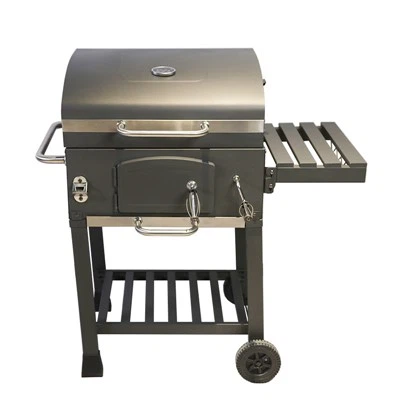
If you’re looking to upgrade your current pellet grill, or get a new one, we’ve got all sizes from small tabletop models for apartments to big 60-inch grills for whole backyard cookouts. We also stock all the transport accessories you might need—moving straps, extra pellet bags, grill covers, everything. If you have questions about which size grill fits your vehicle, or need help with transport tips specific to our models, hit us up. We’re happy to chat and make sure your grill gets where it needs to go, safe and sound.
Cast Iron Fire Pit REFERENCES
- BBQGuys: Pellet Grill Transport and Safety Guide
- Traeger Grills: Official Moving and Storage Instructions for Pellet Grills
- American Pellet Grills Association: Best Practices for Hauling Wood Pellet Cooking Equipment
Huzhou Blue Carp Co., Ltd.
With abundant experience, we are one of the most professional pellet grills manufacturers in China. Please rest assured to wholesale cheap pellet grills for sale here from our factory. If you have any enquiry about custom service, please feel free to email us.
Address: Longxi Subdistrict, Huzhou South Taihu New Area, Huzhou City, Zhejiang Province, China
E-mail: tonycheung@bluecarpbbq.com
WebSite: https://www.bluecarpbbq.com/
