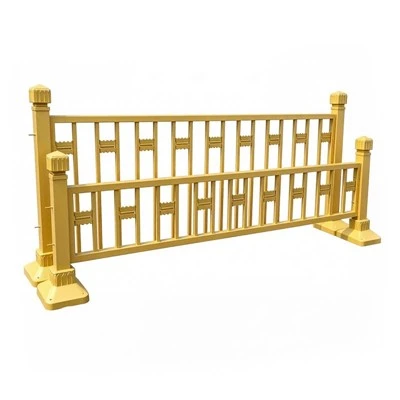
Installing a perimeter fence on a slope presents a unique set of challenges and opportunities. As a supplier in the perimeter fencing industry, I’ve witnessed firsthand the transformative power of a well – installed fence on uneven terrain. In this blog, I’ll share comprehensive insights and practical steps on how to tackle this project successfully. Perimeter Fencing
Understanding the Site
The first and most crucial step in installing a perimeter fence on a slope is to thoroughly understand the site. Begin by conducting a detailed survey of the area where you plan to install the fence. Use a transit level or a smartphone with a reliable level app to measure the slope’s incline angle. This information will help you determine the best approach for fence installation and the type of materials required.
Pay close attention to the soil type on the slope. Sandy or loose soil may require additional reinforcement for fence posts, while clay soil might pose challenges during digging. Also, take note of any existing vegetation, rocks, or underground utilities that could affect the installation process. Clearing the area of debris, large rocks, and overgrown plants will make the installation smoother and more efficient.
Choosing the Right Fence Materials
When it comes to installing a fence on a slope, not all fencing materials are created equal. Some materials are more adaptable to uneven terrain than others. For instance, vinyl fences are a popular choice due to their flexibility and resistance to rot and pests. They can be easily adjusted to follow the contour of a slope.
Wooden fences offer a natural and rustic look and can be cut and installed to fit the slope. However, they require regular maintenance to prevent rot and decay, especially in areas with high moisture. Chain – link fences are another option. They are relatively inexpensive and can be installed on slopes with minimal adjustments.
Aluminum and wrought – iron fences are durable and provide a stylish appearance. They are also suitable for slopes, but proper installation techniques are crucial to ensure stability. Consider the aesthetic appeal, durability, and budget when selecting the fencing material.
Planning the Fence Layout
Once you’ve chosen the fencing material, it’s time to plan the layout. Start by marking the boundaries of the fence using stakes and string. This will give you a clear visual of the fence’s path and help you identify any potential obstacles.
If the slope has a significant change in elevation, you have two main options for fence layout: step – down and racked. A step – down fence is installed in a series of horizontal sections that drop down the slope in steps. This method is suitable for steep slopes and provides a clean and modular look.
A racked fence, on the other hand, follows the natural curve of the slope. The pickets or panels are angled to match the incline, creating a continuous and flowing appearance. Racked fences are better suited for gentle slopes.
Preparing the Posts
Proper post installation is the foundation of a stable fence on a slope. Use pressure – treated wooden posts, metal posts, or concrete – filled PVC posts for maximum durability. Determine the post spacing based on the type of fence and the slope’s steepness. Generally, posts should be spaced between 6 to 8 feet apart on flat terrain, but you may need to reduce the spacing on a slope to ensure stability.
When digging post holes, it’s important to account for the slope. On a step – down fence, the post holes for each horizontal section should be dug at the same depth. For a racked fence, the depth of the post holes may need to vary slightly to follow the slope. Use a post – hole digger or an auger to dig the holes to a depth of at least 24 inches. This will provide enough support for the posts, especially on a slope.
Installing the Posts
Before setting the posts, place a layer of gravel at the bottom of each post hole. The gravel will improve drainage and prevent the posts from rotting. Set the posts in the holes and use a level to ensure they are plumb. For a racked fence, the posts should be angled to match the slope.
Once the posts are in position, fill the post holes with concrete. Use a vibrator or a trowel to remove any air bubbles from the concrete and ensure a solid fill. The concrete should be allowed to cure for at least 24 to 48 hours before proceeding with the rest of the fence installation.
Attaching the Fence Panels or Pickets
After the concrete has cured, it’s time to attach the fence panels or pickets. If you’re using pre – fabricated fence panels, make sure they are cut to the appropriate length to fit the slope. Use galvanized screws or nails to secure the panels to the posts.
For picket fences, cut the pickets to the desired length and attach them to the rails using screws or nails. When installing the pickets on a racked fence, ensure they are angled correctly to follow the slope. Use a level to check the alignment of the pickets as you go.
Adding Finishing Touches
Once the fence is installed, add any finishing touches to enhance its appearance and functionality. This may include painting or staining the fence to protect it from the elements and give it a more polished look. Install gate latches and hinges that are suitable for the slope and ensure the gates open and close smoothly.
Add a top rail or a cap to the fence for a more finished appearance. You can also consider adding decorative elements such as post caps or latticework to make the fence more visually appealing.
Maintenance Considerations
Installing a perimeter fence on a slope is a long – term investment, and proper maintenance is essential to ensure its longevity. Regularly inspect the fence for any signs of damage, such as loose posts, cracked panels, or rusted hardware.
For wooden fences, re – stain or paint them every few years to protect against rot and weathering. Check the concrete around the posts for any cracks and repair them promptly. Keep the area around the fence clear of debris and vegetation to prevent damage and maintain good drainage.
Conclusion
Installing a perimeter fence on a slope can be a challenging but rewarding project. By understanding the site, choosing the right materials, planning the layout carefully, and following proper installation techniques, you can create a beautiful and functional fence that enhances the security and aesthetics of your property.
Filter Mesh As a perimeter fencing supplier, I’m here to assist you every step of the way. Whether you need advice on the best fencing materials for your slope, help with installation planning, or are ready to place an order, I’m just a call or message away. Contact me to start the conversation about your perimeter fencing needs and let’s work together to create the perfect fence for your project.
References
- "Fence Installation Guide for Sloping Grounds," Home Improvement Library
- "The Complete Book of Fences," DIY Fence Publishing
Hengshui Anbang Road and Bridge Material Co., Ltd.
As one of the most professional perimeter fencingmanufacturers and suppliers in China, we’re featured by quality products and good service. Please rest assured to wholesale bulk customized perimeter fencing from our factory. For pricelist, contact us now.
Address: Zhaobazhuang Wire Mesh Industrial Park, Shenzhou City, Hengshui City, Hebei Province
E-mail: 857732879@qq.com
WebSite: https://www.cnanbang.com/
