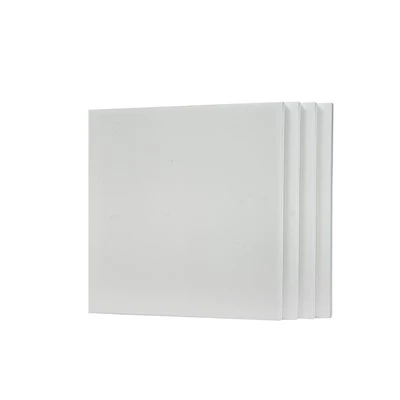
Hey there! I’m a supplier of insulation boards, and I often get asked about what materials these boards are made of. So, I thought I’d write this blog to break it all down for you in simple terms. Insulation Board
Fiberglass Insulation Boards
First up, fiberglass is one of the most common materials for insulation boards. It’s made from extremely fine glass fibers. The process of making fiberglass insulation starts with melting glass at super – high temperatures, usually around 1400 – 1600 degrees Celsius. Then, the molten glass is forced through tiny holes to create these thin fibers.
One of the great things about fiberglass insulation boards is their thermal performance. They’re really good at reducing heat transfer, which means they can keep your home or building warm in the winter and cool in the summer. And they’re also pretty affordable, which makes them a popular choice for a lot of construction projects.
Another plus is that fiberglass is non – combustible. This is a huge safety feature, especially in buildings where fire safety is a major concern. However, working with fiberglass can be a bit of a pain. The tiny glass fibers can irritate your skin, eyes, and lungs if you’re not wearing the right protective gear. So, proper handling is a must.
Mineral Wool Insulation Boards
Mineral wool is another popular material. There are two main types: rock wool and slag wool. Rock wool is made from natural rocks like basalt and diabase. These rocks are heated to a very high temperature until they melt, and then they’re spun into fibers.
Slag wool, on the other hand, is made from blast furnace slag, which is a by – product of the iron – making process. It goes through a similar melting and fiber – forming process as rock wool.
Mineral wool insulation boards are known for their excellent fire resistance. They can withstand really high temperatures without catching fire or melting, which makes them a top pick for fire – rated partitions and ceilings. They also have good acoustic insulation properties, which means they can help reduce noise transmission between different areas in a building.
Just like fiberglass, mineral wool can be a bit itchy to handle. And it’s important to make sure you’re disposing of it properly because it’s a man – made mineral fiber.
Polystyrene Insulation Boards
We’ve got two main types of polystyrene insulation: expanded polystyrene (EPS) and extruded polystyrene (XPS).
EPS is made by expanding small beads of polystyrene using steam. The beads expand and fuse together to form a lightweight, rigid board. EPS insulation boards are lightweight and easy to handle. They’re also quite cost – effective. They have decent thermal insulation properties, but they’re not as good as some other materials in terms of moisture resistance.
XPS is made through an extrusion process. It’s denser than EPS and has a closed – cell structure. This gives it better moisture resistance and higher compressive strength. XPS insulation boards are often used in below – grade applications like basement insulation because they can handle the pressure from the soil and resist water penetration.
But polystyrene is a petroleum – based product, which means it’s not the most environmentally friendly option. And it’s flammable, so it usually needs to have fire – retardant additives.
Polyurethane Insulation Boards
Polyurethane insulation boards are formed by reacting polyols and isocyanates. This creates a closed – cell foam that has some of the best thermal insulation properties out there.
These boards are really good at reducing heat loss, which can lead to significant energy savings. They’re also very lightweight and can be molded into different shapes and sizes, which makes them very versatile for different construction applications.
However, the production of polyurethane involves chemicals that can be harmful to the environment if not managed properly. And like some other materials, it’s flammable, so proper fire protection measures need to be in place.
Natural Fiber Insulation Boards
In recent years, there’s been a growing interest in natural fiber insulation boards. These are made from materials like wood fiber, hemp, and sheep’s wool.
Wood fiber insulation boards are made from processed wood chips. They’re sustainable and have good thermal and acoustic properties. They also have a natural look, which can be appealing in some types of construction.
Hemp insulation boards are made from the stalks of the hemp plant. Hemp is a fast – growing crop that doesn’t require a lot of pesticides or fertilizers, so it’s an environmentally friendly option. It has good insulation and moisture – regulating properties.
Sheep’s wool insulation boards are made from the wool of sheep. Wool is a natural insulator that can absorb and release moisture, which helps to regulate the humidity in a building. It’s also fire – resistant to some extent because it contains moisture and nitrogen.
The great thing about natural fiber insulation boards is that they’re eco – friendly. But they can be a bit more expensive than some of the synthetic materials, and they may require more maintenance in some cases.
Aerogel Insulation Boards
Aerogel is a super – lightweight and highly porous material. It’s often called "frozen smoke" because of its appearance. Aerogel insulation boards are made by removing the liquid from a gel and replacing it with gas, leaving behind a solid with a very low density.
These boards have incredible thermal insulation properties. They can reduce heat transfer better than most other materials on the market. They’re also very thin, which means you can get good insulation in a small space.
However, aerogel insulation boards are very expensive. The production process is complex and requires specialized equipment. So, they’re usually used in high – end applications where cost is less of a concern and space is limited.
So, there you have it, a rundown of the main materials used to make insulation boards. Each material has its own pros and cons, and the right choice depends on your specific needs, budget, and the environmental considerations of your project.
If you’re in the market for insulation boards and want to discuss which material would be best for your situation, I’d love to have a chat. Whether you need something for a small home renovation or a large commercial construction project, I can help you find the right insulation board solution. Don’t hesitate to reach out and start a conversation about your insulation needs.
Insulation Board References:
- Building Science Corporation, Handbook on Insulation Materials
- ASHRAE (American Society of Heating, Refrigerating and Air – Conditioning Engineers) guides on thermal insulation
Wenzhou Lejia Energy-saving Material Co., Ltd.
As one of the leading manufacturers and suppliers of insulation board in China, we’re featured by quality products and good service. Please rest assured to buy advanced insulation board for sale here from our factory. We also accept customized orders.
Address: Block A, No. 128 Changxiu Road, Lingkun Subdistrict, Wenzhou Marine Economy Development Demonstration Zone, Zhejiang Province, China.
E-mail: luckyfoam@vip.163.com
WebSite: https://www.lfxps.com/
