Hey there,
If you’re reading this, chances are you’re either setting up a new warehouse, upgrading your storage setup, or trying to fix that wobbly rack that’s been giving you anxiety since you hired some guys who “know their way around tools.” Let me cut to the chase: installing warehouse racking wrong isn’t just an inconvenience—it’s a recipe for disaster. I’ve been in the storage racking game for 8 years now, seen a lot of near-misses, and way too many bad installs that cost companies thousands in damage (and way worse). Today, I’m breaking down exactly how to get this right, no fluff, no fancy jargon, just stuff that actually works. Storage Racking
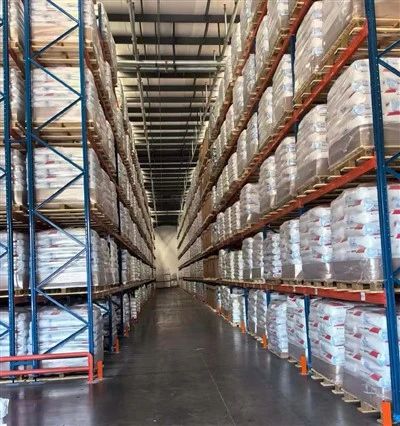
First, let’s get one thing straight: warehouse racking isn’t like putting together IKEA bookshelves. Sure, both have parts that click, but one’s holding your grandma’s cookbook collection, the other’s holding pallets of $10k worth of inventory and—if something goes south—could take out half your operations. I’ve seen a 10-tier pallet rack collapse because the installer skipped a single safety bolt. Yeah, single bolt. Don’t be that guy.
Start With the Prep: Don’t Skip the Small Stuff
Before you even touch a wrench, you need to get your space ready. A lot of people skip this part and end up regret it. Let’s break it down step by step.
First, measure your floor. I know, sounds basic, but you’d be surprised how many guys show up with racks that don’t fit their warehouse’s concrete slab. You need to check two things: the flatness of the floor and its load capacity. Concrete floors aren’t all equal—if yours has cracks, or it’s not level within 1/4 inch for every 10 feet, you’ve got issues. Racks won’t sit right, and that’s a huge safety hazard. I always tell clients to rent a floor level gauge if they don’t have one—$20 is way cheaper than fixing a collapsed rack later.
Next, clear the space. No, “sort of clear” doesn’t count. You need to move every pallet, box, and random storage bin out of the work area. Why? Because you’re gonna need to move heavy rack parts (uprights, beams, cross braces) around, and if you trip over a forklift battery mid-install, that’s a broken leg and a delayed project. Also, mark your floor where each upright goes with painter’s tape—don’t just eyeball it. Use a tape measure, not a guess.
Then, check the parts. When your rack parts arrive, don’t just sign for the box and toss the packaging. Lay everything out: uprights, beams, safety clips, bolts, base plates, and any accessories like decking. Count ’em. I’ve had clients who ordered 20 uprights and only got 18, and we didn’t catch it until half the install was done. That’s a week of delay, easy. Also, inspect for damage—dented uprights, bent beams. A bent beam can’t hold the load it’s supposed to. If something’s banged up, flag it with your supplier right away (that’s me, by the way—hit me up if you need replacements).
The Core Install: Uprights, Beams, and Clips (Don’t Mess These Up)
Now, the actual install. Let’s start with the base plates. These are the flat metal pieces that sit between the upright’s legs and the concrete floor—they’re the foundation. A lot of guys skip anchoring them, thinking “the weight will hold it down.” No. That’s like building a house without a foundation. You have to anchor base plates to the floor using expansion bolts. How many? For standard pallet racks, 4 bolts per base plate. If your floor is thin (less than 4 inches), you might need longer bolts—your local hardware store can hook you up, or I can send a tech to check.
Once the uprights are anchored, next up are the beams. This is where I see the most shortcuts. Beams slide into the notches on the uprights, and you have to make sure they’re locked in. Those little safety clips? Not optional. Some installers forget ’em, or just set them on top “for later.” Later never comes. Those clips stop the beam from sliding out if a pallet bumps it, or if the load shifts. I’ve had a client skip clips on one beam, and a forklift driver nudge a pallet and the whole beam slid out—only caught because a worker was walking by. The clips take 2 seconds to install, so do every single one.
Also, beam spacing matters. Don’t cram beams too close, or too far apart. For standard pallets (48×40 inches, the most common), beams should be 42 inches apart (center to center) to support the pallet evenly. If you have smaller pallets, adjust accordingly, but never go more than 48 inches between beams—otherwise the pallet will sag, and that’s a fire hazard too, not just safety.
Cross braces—don’t ignore these either. Those are the X-shaped metal pieces that connect the uprights horizontally, right? They keep the whole rack from swaying when a forklift is moving pallets, or if the warehouse has big HVAC systems that cause air movement. I once worked on a warehouse where they skipped cross braces, and during a storm, the roof vents made the air shift enough that a 15-foot section of rack swayed so bad workers refused to go near it for a week. Install cross braces on every level, every row. No exceptions.
Load Planning: This Isn’t a Jenga Game
Here’s another big one: knowing what your rack can hold. Every rack has a load rating—usually stamped on the upright’s top. That number isn’t a suggestion. It’s the max weight that upright can take per level. If you stack pallets that weigh 5,000 lbs on a level rated for 3,000 lbs, you’re asking for trouble.
Also, distribute the load evenly. Don’t put all the heavy pallets on one side of a beam, or all on the bottom level. The top level of a rack isn’t for your heaviest stuff—save that for the middle levels where the load is distributed better. I see this all the time: a manager crates 10,000 lbs of heavy machinery on the top tier, and a month later, the upright starts leaning. By the time they notice, it’s too late.
One more thing: never exceed the rack’s maximum height. If your warehouse has 20-foot ceilings, don’t install 18-foot racks and try to stack pallets 2 feet high on top. There’s a reason manufacturers set those limits—height affects stability. The taller the rack, the more it needs to resist sway, which means more cross braces, tighter anchoring, and maybe even wall supports if you’re going over 20 feet.
Safety Checks: Don’t Skip the Final Walkthrough
Once the install is done, don’t just call it a day and move pallets in. Do a full safety check. Here’s my go-to checklist, I use this every time I finish a job:
- Tug every beam to make sure it’s locked in, and the safety clips are engaged. If it moves, slide it back in and reclip.
- Check all anchor bolts—give ’em a quick tighten. Even if you installed them tight, some concrete floors will settle a little, so a quick twist with a wrench is good.
- Make sure base plates are flat on the floor. If one is tilted, adjust the anchor bolts a little, or add a small shim (a piece of metal or thick rubber) under the low side.
- Walk the entire row and look for any dents or bends in uprights or beams. Even a small dent can weaken the metal, so if you spot something, replace it immediately.
- Test the stability. Grab the top of an upright and shake it gently. If it wiggles more than an inch, something’s loose—go back and check cross braces or anchors.
Also, get a professional inspection. I offer these for free for my clients (that’s right, no cost) because I’d rather catch a small issue before it’s a big one. A third-party set of eyes will pick up stuff you might miss, like a bolt that’s slightly too short, or a beam that’s not seated all the way.
Common Mistakes I See All the Time (And How to Fix ’Em)
Let me call out the mistakes that are super common but so easy to avoid:
- Skipping safety clips: I already mentioned this, but it’s worth repeating. Those little orange or metal clips are not optional. Use ’em.
- Not anchoring base plates: Ever seen a rack tip over because a forklift hit it? 9 times out of 10, the base plates weren’t anchored. Always use expansion bolts, no exceptions.
- Wrong load calculation: Don’t guess the pallet weight. Weigh your pallets first, then match the rack’s rating. A 48×40 pallet can weigh 1,000 lbs or 5,000 lbs—don’t wing it.
- Installing alone: Racks are heavy. Uprights alone are 50+ lbs, beams are 30 lbs. Install with at least two people. It’s way easier, and no one gets hurt.
Final Tip: Know When to Call a Pro
Look, I get it, you might be a hands-on manager who likes to save money. But sometimes, trying to do it yourself costs way more in the long run. If your warehouse is over 10,000 sq ft, you have heavy pallets (over 3,000 lbs), or you’re installing racks higher than 15 feet, call a storage racking expert (that’s me). We’ve got the tools, the training, and the eye for stuff you might miss. I’ve seen too many guys try to DIY a big install and end up with a $5k repair bill instead of a $1k install from a pro.
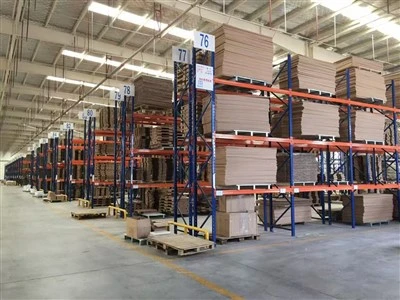
At the end of the day, warehouse racking safety is all about one thing: attention to detail. Every bolt, every clip, every beam placement adds up. Mess up one small thing, and it can cost you inventory, workers, and even lives. I’ve been doing this long enough to know that safety isn’t an afterthought—it’s the first thing you plan for.
Storage Racking If you’re getting ready to install new racking, need a replacement part, or just want to run a safety check on your current setup, hit me up. I’ll walk you through it, answer all your questions, and make sure your storage is safe and solid. No sales pitch, just straight talk—after all, I’ve been in your shoes, worried about keeping operations running smoothly and people safe.
References
- Occupational Safety and Health Administration (OSHA). "Material Handling: Storage Racking Safety Guidelines." U.S. Department of Labor, 2022.
- Material Handling Industry (MHI). "Warehouse Racking Installation Best Practices." MHI, 2021.
- American National Standards Institute (ANSI). "ANSI MH16.1: Specification for the Safety of Industrial Racking Systems." ANSI, 2020.
Qingdao Shuoxin Storage Equipment Co., Ltd.
As one of the most professional storage racking manufacturers and suppliers in China, we’re featured by quality products and good price. Please rest assured to buy customized storage racking made in China here from our factory. Welcome to contact us for quotation.
Address: No.15 Guangdong Road, Jiaobei Subdistrict, Jiaozhou City, Shandong Province, China
E-mail: naomi@shuoxinrack.com
WebSite: https://www.shuoxinrack.com/
