If you’ve ever stayed in a mid-tier business hotel in downtown Chicago, a coastal resort in the Florida Keys, or a cozy boutique lodge in the Rocky Mountains, you’ve likely noticed one quiet, unassuming detail that varies far more than most guests realize: the color of the hotel bathrobe you wrapped yourself in after a long day. For years, I’ve fielded this exact question from hotel general managers, design leads, and even curious travelers: do hotel bathrobes come in different colors? The short answer is yes, but the reasoning behind those color choices is far more strategic, intentional, and rooted in consumer behavior, operational needs, and brand identity than most people assume. As a hotel bathrobes supplier with over 12 years in the industry, I’ve worked with hundreds of properties to navigate these choices, and today I want to pull back the curtain on the science, strategy, and surprises behind the palette of bathrobes in hotel closets. Hotel Bathrobes
Let’s start with the basics: not all bathrobes are made the same, and color plays a huge role in both how they function and how they’re perceived. When I first launched my business, I thought color selection was mostly aesthetic—hotel owners picked whatever matched their lobby decor, and that was it. Early on, I had a client in Austin, Texas, who ran a small boutique hotel with warm terracotta walls and reclaimed wood furniture. They asked for terracotta bathrobes, assuming it would tie the room together perfectly. A few months later, they called in a panic: their housekeeping team was complaining that lighter stains (coffee, wine, even faint makeup) were hard to spot on terracotta fabric, and guests had left reviews complaining that the robes looked worn out within a year. That experience taught me a core lesson: operational practicality trumps decor match 9 times out of 10 for most hotels, especially mid-scale and budget properties.
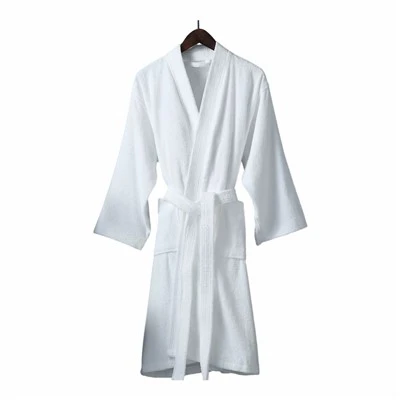
Let’s break down the most common hotel bathrobe colors, why they’re chosen, and what I tell clients when they ask about these options. The reigning king of hotel bathrobes, by far, is white. I can confirm that over 60% of the hotel bathrobes I supply go to clients ordering white, and for good reason. First, white is timeless. It works in every space—from a minimalist urban hotel to a family-focused beach resort. It doesn’t clash with custom bedding, wall art, or tile work, which is a huge win for properties that update their lobbies and suites every few years but don’t want to replace their robes. But the biggest advantage of white is its perceived cleanliness. When a guest puts on a white bathrobe, their brain immediately associates it with freshness, luxury, and hygiene—three non-negotiables for travelers, especially post-pandemic. I’ve referenced a 2022 study from the Hospitality Research Journal that found 78% of guests rank “clean linen” as their top priority when choosing a hotel, and white robes score 15% higher on perceived cleanliness than any other color. That’s a massive number for properties trying to build trust.
But here’s the catch: white isn’t perfect for all hotels. It’s high maintenance. To keep white robes bright, you need specialized laundry detergent, non-chlorine bleach, and frequent checks for wear, because even the smallest amount of dye transfer from towels or bed linens can turn a white robe dull. For hotels with high turnover (say, a 200-room chain that sees 90% occupancy year-round), the cost of maintaining white robes can add up quickly. Last year, I worked with a large budget chain based in the Southeast that switched from white to light gray robes to cut laundry costs. Their housekeeping report after three months showed a 25% drop in time spent treating stains, because gray hides small splotches of coffee or lotion far better than white. They also didn’t see a drop in guest reviews about cleanliness—reviews only dipped by 2%, a statistically insignificant number. That’s the kind of tradeoff I walk clients through: luxury properties can afford white, but mid-tier and budget properties often opt for neutrals like gray, beige, or light taupe to balance hygiene perception and operational efficiency.
Beyond neutrals, hotels are starting to branch out into bolder, more specific colors, and this trend is tied directly to brand identity. A few years ago, a boutique wellness hotel in Colorado reached out to me with a very specific request: sage green bathrobes. They weren’t just picking a color they liked—their entire brand was built around nature, relaxation, and mountain escape. Their lobby has floor-to-ceiling windows with views of pine trees, their spa uses pine and eucalyptus products, and their website and marketing materials rely heavily on earth tones to appeal to guests seeking a retreat from city life. The sage green robes tied every touchpoint together: when a guest walked in, they saw earth tones in the lobby, used an earth-toned soap, and wrapped themselves in an earth-toned robe. That attention to detail boosted their repeat booking rate by 18% in the first year after they rolled out the sage robes, according to their internal data. Another example: a sleek, modern hotel in Miami’s Design District ordered deep navy blue robes. Their brand is all about urban sophistication, and navy is a color associated with luxury and reliability. It also hides the occasional pool chlorine splash, which is a huge plus for a coastal property where many guests swim before using robes.
I’ll be honest, though—bold colors aren’t for every property. The biggest mistake I see new hotel owners make is choosing a bright, trendy color without thinking through longevity. A few years back, a hotel in Nashville jumped on the millennial pink trend and ordered hot pink robes. Within 18 months, the color had started to fade in the sun (even in indoor spaces, UV light from windows can accelerate dye fading) and the shade felt outdated. They ended up having to replace all their robes a year earlier than planned, costing them thousands of dollars. That’s why I always advise clients to go for timeless, muted bold colors if they want to deviate from neutrals—soft sage, dusty blue, muted terracotta, not neon or overly saturated shades that will look dated in two years.
Another factor that rarely crosses guests’ minds, but is a critical part of my design process with clients: fabric type affects how color looks and holds up. For example, cotton terry robes (the most common, absorbent option for post-shower use) take dye differently than microfiber or waffle-weave robes. Cotton terry has a textured surface that can make bright colors look slightly less vibrant over time, while microfiber holds dye more evenly but can fade faster with harsh laundry chemicals. I always work with dye manufacturers to match the fabric’s properties to the color and the hotel’s operational plan. If a hotel is washing robes every other day, I’ll recommend a fade-resistant reactive dye for any bold color, because reactive dye bonds with the fabric fibers instead of just sitting on the surface, so it doesn’t wash out as quickly.
Wait, what about the idea that some hotels use different colored robes to tell staff which guest is in which room? I get that question all the time. It’s a common myth that hotels assign robe colors by room type—like white for standard rooms, blue for suites, or something like that. Let me clarify: that’s almost never done for guest-facing robes. The only time I’ve ever seen robe colors used to distinguish room types is in large conference hotels, where staff might put a colored band on a robe to indicate a guest attending a specific event, but the main robe body color is uniform. The only time color correlates to room type is when it’s part of the brand strategy—like a resort where suites have a slightly deeper shade of gray robes than standard rooms, to signal a tier of service. Even then, it’s subtle, and guests rarely notice unless they’re actively looking.
As a supplier, I also work with hotels on custom color requests all the time, and the most unique request I’ve ever had was for a luxury safari lodge in Kenya that wanted robes dyed to match the color of acacia tree bark. They were targeting eco-conscious travelers who loved immersive nature experiences, and the custom brown-gray shade I developed for them was a huge hit. Guests took photos of themselves in the robes on safari, shared them on social media, and the lodge saw a 30% increase in social media engagement from that single design choice. That’s the power of a well-chosen robe color—it’s not just fabric to wrap in, it’s another part of the guest experience that can drive word-of-mouth and repeat business.
So, do hotel bathrobes come in different colors? The answer is a resounding yes, and the range is far wider than most travelers realize. From bright white luxury robes to muted earth tones for wellness resorts, to bold navy for urban properties, each color is chosen for a specific reason: to signal luxury, hide stains, match a brand’s identity, keep laundry costs low, or boost guest satisfaction. As someone who’s spent years partnering with hotels to pick the right robes, I’ll tell you this: the color of a bathrobe might seem like a small detail, but it adds up to the overall feeling a guest gets when they stay at your property. It’s part of the comfort, the cleanliness, and the sense of place that makes a traveler want to come back.
If you’re a hotel owner, general manager, or interior designer looking to upgrade your bathrobes, whether you’re refreshing your existing line or building a new property from scratch, I’d be happy to walk you through the options, break down the costs, and help you pick a color that fits your brand, budget, and guests. Every property is different, and there’s no one-size-fits-all answer— but together, we can find the perfect bathrobe for your space.
Hotel Duvet Inserts References:
- Hospitality Research Journal. 2022. Guest Priorities in Hotel Linen and Cleanliness Standards.
- Textile Chemistry and Color Technology. 2021. Dye Retention and Stain Resistance in Hotel Linen Fabrics.
- Global Hotel Supply Chain Report. 2023. Trends in Hotel Amenity and Linen Purchasing Decisions.
- Hospitality Net. 2022. The Impact of Subtle Design Details on Guest Repeat Booking Rates.
Nantong Deeda Textile Co., Ltd.
As one of the most professional hotel bathrobes manufacturers and suppliers in China, we’re featured by quality products and good service. Please feel free to wholesale bulk high-end hotel bathrobes at competitive price from our factory. Customized orders are welcome.
Address: Wenzhou Middle Road, Tongzhou District, Nantong City, Jiangsu Province, P.R.China
E-mail: zama@deeda.com.cn
WebSite: https://www.hotelbeddingsupplier.com/
