Alright, let’s cut to the chase—if you’re here, chances are you’re tired of that one piece of auxiliary equipment that keeps shutting down your whole operation. You know the drill: your line’s humming along, cranking out parts like clockwork, then BAM—sudden downtime hits, your main machine’s idle, and everyone’s scrambling to troubleshoot. And as someone who’s spent the last 12 years selling, troubleshooting, and obsessing over auxiliary equipment (think conveyor systems, material handling hoists, and those tiny but critical sensor banks that no one notices until they break), I’m here to tell you that most of this downtime is totally avoidable. Let’s get into the real, actionable stuff, no fluff, no textbook jargon—just what works when the clock’s ticking and production’s on the line. Other Auxiliary Equipment
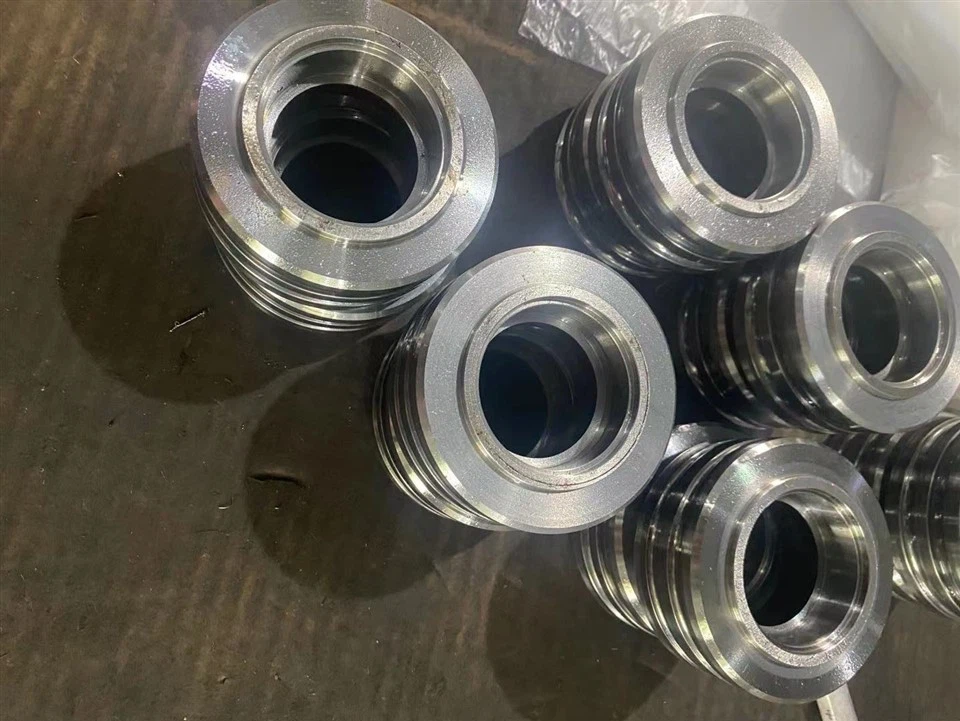
First, let’s get one thing straight: downtime doesn’t just “happen.” It creeps in when you skip the tiny, consistent checks, or when you wait until something’s broken to fix it. I’ve seen plant managers throw thousands at emergency repairs because they skipped a $20 sensor calibration or a 10-minute visual check on a conveyor roller bearing. Here’s the first big tip that changed how my clients cut downtime by 30% on average: stop doing “reactive” maintenance, start doing “proactive” maintenance that’s actually tailored to your aux equipment, not a generic checklist.
Let’s talk about what that actually means. Generic checklists are useless because every piece of auxiliary gear works differently. For example, a overhead hoist that lifts heavy metal parts 100 times an hour has totally different wear points than a small conveyor that moves plastic crates once every 10 minutes. I work with a stamping plant client who was replacing their hoist brakes every 6 weeks because their old checklist just said “inspect brakes” and never mentioned adjusting for their high-lift, high-cycle use. Once we created a custom checklist that included a daily brake pressure test (1 minute, max), they cut brake replacements to every 16 weeks. That’s 10 less emergency calls a year, and they didn’t have to shell out $1,200 each time. Proactive doesn’t mean doing more work—it means doing the right work, at the right time, for your specific setup.
Next up: stop ignoring the “invisible” wear and tear. This is the stuff that doesn’t make noise yet, but will tank your whole line if you miss it. I’m talking about sensor drift, loose wiring in conveyor controls, or even the buildup of dust and debris in your material handling parts. A lot of plants have dust blowing around from metal shavings or plastic pellets—over time, that gunk gets into tiny sensor ports and throws off their readings. I had a packaging client where a misread photoelectric sensor made their pick-and-place arm drop 20-pound boxes every other shift. We took 5 minutes to blow out the sensor lens with compressed air (not with the plant’s shop vac—those blow too hard and damage the delicate components) and calibrate it to their box size. No more dropped boxes, no more downtime. The worst part? They’d been dealing with that issue for 3 months before we fixed it, because no one thought to check the sensor lens—they just assumed it was a faulty sensor and were ready to drop $500 on a new one.
Then there’s the thing about operator training that no one likes to talk about. Most downtime isn’t from bad parts—it’s from operators misusing the equipment. I once visited a plant where their conveyor system was shutting down 2-3 times a day because operators were shoving too many boxes on it at once. The plant manager thought the conveyor was undersized, but really, operators just didn’t know the load capacity limits, or they were rushing to meet a deadline and cutting corners. We did a 20-minute hands-on training session with their shift leads—we had them run the conveyor at different load levels, show them the warning signs (belt stretching, motor hum), and post a quick chart right next to the conveyor with max load numbers. That conveyor’s downtime dropped by 90% in a month. Training doesn’t have to be a 4-hour PowerPoint. It’s about showing people what to look for, in terms they care about: “this isn’t just a rule—it’s why your shift doesn’t have to stop.”
Now, let’s get to the tech stuff, but not the fancy, expensive kind you see in trade shows. I’m a big fan of low-cost, high-impact monitoring tools for auxiliary equipment. You don’t need a $10,000 IIoT system (though those are great for big plants). For small to mid-sized operations, a $20 vibration sensor attached to a hoist motor or conveyor roller can tell you when a bearing is going bad 2-3 weeks before it fails. My go-to for clients is using phone apps—most of these small sensors sync to a free app, so you can check the status of your aux gear from your break room or even your phone on the way in. One of my clients uses a vibration sensor on their main conveyor, and last month it alerted them that a roller bearing was failing. They swapped it during a scheduled lunch break, no unplanned downtime, no overtime pay for emergency repairs. That small sensor paid for itself in one fix.
Wait, but what if your equipment is older? Like, the kind that’s been around since the plant opened in 1998, and spare parts are a pain to find? I get it—older aux equipment is half the battle because it doesn’t have built-in monitoring. The biggest mistake people make with old gear is waiting for a part to break before replacing it. Instead, keep a small stock of the most wear-prone parts for your specific equipment. Conveyor rollers, brake pads, sensor fuses, and wiring harnesses—these are the parts that go most often, and having them on hand means you can swap them in 10 minutes instead of waiting 3 days for a delivery. I had a client with a 25-year-old material lift that was down for a week once because they had to order a tiny limit switch. Now they keep 3 of those switches in their parts bin, and if it goes out, they fix it in 15 minutes. No more weeks of lost production.
Also, let’s talk about something that’s often overlooked: alignment. I can’t tell you how many times I’ve seen conveyor systems or hoists that are slightly out of alignment, causing uneven wear on belts, rollers, and motors. Even a 1-degree misalignment can shorten a motor’s life by 50% and cause random shutdowns. You don’t need a laser alignment tool (though they’re great) — most new alignment apps for phones work just as well, and they’re $10 or less. We aligned a client’s conveyor using a free app, and their motor’s noise (a early sign of wear) went down immediately. They replaced the motor’s bearing 6 months later instead of 2 months. Small, easy win.
Now, let’s address the elephant in the room: when is it time to replace or upgrade auxiliary equipment, instead of just fixing it? I know, no one wants to drop $10k on a new hoist when the old one “works.” But there’s a point where the cost of repairs and downtime adds up to more than a new, reliable unit. For example, if your old auxiliary equipment is causing 20 hours of unplanned downtime a month, that’s $20,000 in lost production (depending on your line’s rate). A new, more efficient, reliable unit might cost $50k, but it would cut downtime by 90%, so you’d make that money back in 2-3 months. I work with a lot of clients who stuck with old gear for years, and when they finally upgraded, their production numbers jumped overnight. The key here is not “replace when it breaks” — replace when the total cost of downtime and repairs exceeds the cost of a new, reliable unit.
Before I wrap this up, let’s get real about what this all means for you. Reducing downtime for auxiliary equipment isn’t about being a maintenance superhero. It’s about small, consistent changes: 10-minute daily checks, a custom checklist, a $20 sensor, a 20-minute training session on load limits, and a small stock of critical parts. These things add up to less stress, less emergency repairs, and more production hours— which is what we’re all here for, right?

If you’re dealing with unplanned downtime on your auxiliary equipment, or you’re not sure where to start with those custom checklists, monitoring, or parts stock, I’m here to help. We work with all types of plants, from small packaging operations to big manufacturing facilities, to tailor solutions that fit your budget and your equipment. No one-size-fits-all garbage, just practical steps to get your line running smoothly and keep that downtime to a minimum. Reach out to connect and chat—let’s figure out what’s holding your aux gear back.
Steel Strip Processing Machinery References
- Machinery Lubrication Magazine. (2022). "Proactive Maintenance Strategies for Auxiliary Equipment: Reducing Unplanned Downtime."
- International Society of Automation. (2021). "Low-Cost Monitoring Tools for Small-to-Mid-Size Industrial Operations."
- Manufacturing Extension Partnership. (2023). "Operator Training Best Practices to Reduce Auxiliary Equipment Misuse and Downtime."
- Plant Engineering. (2022). "Cost-Benefit Analysis of Auxiliary Equipment Upgrades vs. Repair for Older Industrial Gear."
Three Water Machinery Co., Ltd.
Three Water Machinery Co., Ltd. is one of the most reliable manufacturers and suppliers of auxiliary equipment in China. With abundant experience, we warmly welcome you to buy advanced equipment for sale here and get quotation from our factory. Contact us for more details.
Address: No.15, Jiaye Road, Liuanzhuang Industrial Park, Beichen District, Tianjin, China
E-mail: sales@eqet.com
WebSite: https://www.eqet.com/
