If you’ve ever ruffled through a warm, cozy sweater that drapes like a cloud or wrapped a child in a soft, scratch-free blanket on a cold winter night, you’ve likely held woolen-spun yarn in your hands. As a long-time woolen-spun yarn supplier with over 12 years of experience sourcing and curating premium fibers from family-owned farms across New Zealand, Scotland, and parts of Patagonia, I get asked one question more than any other: “What are the famous, reputable woolen-spun yarn brands that actually deliver on that iconic, fuzzy, insulating quality woolen spin is known for?” Woolen-spun Yarn
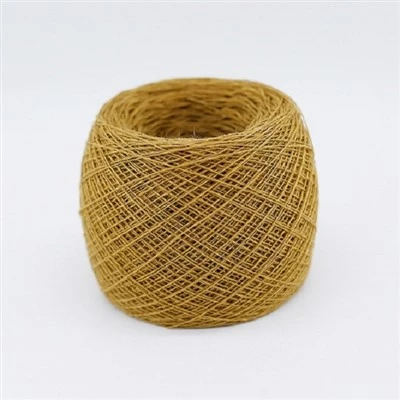
First, let’s clear up a common confusion that trips up new knitters and small brand owners alike: woolen-spun yarn vs. worsted-spun yarn. Worsted spinning pulls fibers parallel, twists them tightly, and produces a smooth, uniform yarn that’s great for tailored garments, scarves that hold their shape, or upholstery. Woolen spinning, on the other hand, fluffs fibers first before spinning them loosely, leaving tiny air pockets trapped between the strands. Those air pockets are what make woolen-spun yarn so cozy—they trap body heat without feeling heavy, and that slightly fuzzy texture is non-negotiable for the “handmade” charm that’s beloved by indie dyers, home knitters, and sustainable fashion creators. It’s also the yarn I specialize in, because I’ve seen how it turns a simple knitting project into something that lasts for decades (and gets better with every wash).
Now, to the brands. I’ve spent years testing these brands’ yarns, sourcing from many of their mills, and even collaborating with a few on custom runs, so I’m not just pulling names out of a pattern book—these are the brands I’d recommend to my own sister for a baby blanket (no scratchy fibers, I promise) or to a small clothing brand that needs consistent, ethically made woolen-spun yarn for their line.
The first name that comes up, and for good reason, is Patagonia Home Yarn. Wait, no—let me correct that: it’s actually Patagonia Wool Yarn, part of their Home & Apparel line, but their core woolen-spun collection is a workhorse for so many suppliers and makers. Patagonia sources 100% responsibly raised merino from farms in southern Chile and Argentina, where the sheep graze on open pastures year-round, no grain feeding, no mulesing (they’ve been mule-free since 2009). Their woolen-spun range includes three main lines: the popular “High Loft” (a medium-weight, 100% merino that’s perfect for sweaters and hats—super fluffy, no pilling even after months of wear), “Lambswool Blend” (a softer, slightly lighter blend with a touch of angora rabbit hair for extra softness, ideal for children’s clothing), and a chunky woolen spin made from a mix of merino and virgin wool for oversized throw blankets. What sets Patagonia apart, though, is transparency: every skein has a traceability number, so you can look up exactly which farm the wool came from, and their mills are Fair Trade Certified, so the workers who spin the yarn get living wages. As a supplier, I love that their production is consistent—no lumpy skeins, no inconsistent color batches, which is critical for my retail clients who sell to independent knit shops. I’ve also worked with them on bulk custom runs for a small outdoor gear brand that makes custom gloves, and their quality never slips, even for large orders.
Next up is Jamieson & Smith, a Scottish mill that’s been around since 1896, and they’re the gold standard for traditional woolen-spun yarns. If you’ve ever knit a Shetland lace shawl, chances are you used Jamieson & Smith yarn—they’re the official yarn supplier for the Shetland Lace Guild, which is a huge deal for hand knitters. What makes their woolen spin unique is that they use Shetland wool, which is naturally crimpy and has a tiny, light scale that makes it soft (contrary to the stereotype of itchy Shetland wool). Their “2-Ply Jumper Weight” is a medium woolen-spun yarn, not too thick, not too thin, with that signature fuzzy halo that’s perfect for Fair Isle knitting—those tiny, intricate color patterns pop, and the woolen spin gives the shawl that stretch and warmth that worsted yarn can’t. I’ve sourced Jamieson & Smith yarn for bulk orders for a few craft supply companies that specialize in Scottish heritage patterns, and their lead times are reliable, even for small to mid-sized bulk runs. The only downside? Their specialty lines, like their 1-ply lace weight woolen, are a bit more expensive, but for good reason—they use only the finest first-shear wool from young Shetland sheep, so it’s worth it for high-end projects.
Another brand I often recommend, especially for makers who prioritize sustainability, is Brooklyn Tweed. Wait, people sometimes mix up their worsted and woolen lines, so let’s clarify: Brooklyn Tweed’s “Shelter” line is their woolen-spun workhorse, made from 100% American wool sourced from family farms in Vermont and Pennsylvania. The Shelburne line is their worsted, but Shelter is the woolen gem here. What I love about Brooklyn Tweed is that they’re completely transparent about their supply chain—they publish each farm’s location, the number of sheep they have, and even the stories of the shepherds who raise the wool. Their woolen-spun yarn is a bulky weight, so it works up fast on size 10 or 11 needles, which is perfect for beginner knitters or anyone who hates waiting for a project to finish. It has a slightly rustic, undyed base (they use low-impact, plant-based dyes for their colored skeins), so it has that natural, handcrafted feel that’s huge in indie fashion right now. I’ve supplied Brooklyn Tweed with small-batch custom woolen runs in the past, and their team is so collaborative—they’ll adjust dye lots or fiber blends to meet specific needs, which is rare for larger brands. They also have a great take-back program for old yarn, which is a big plus for makers who want to reduce waste.
Wait, what about smaller, niche brands? Because not all famous woolen-spun yarn brands are the big, household names. There’s also West Yorkshire Spinners, a UK-based mill that’s been around since 1952, and their “Jacob Woolen” line is underrated but absolutely incredible. Jacob sheep are a rare breed with naturally variegated wool (they have black and white patches, so the yarn has subtle, natural color shifts without any dyeing), which makes their woolen-spun yarn perfect for one-of-a-kind projects. It’s a medium weight, slightly denser than Jamieson & Smith, but still has that signature woolen halo. I started working with West Yorkshire Spinners a few years ago when a client asked for a natural, undyed woolen yarn for a line of minimalist scarves, and their Jacob line was exactly what we needed—no harsh chemicals, just soft, warm wool that looks unique. They also offer bulk pricing for wholesale suppliers, which is great for small to medium-sized brands that don’t need thousands of skeins at a time.
Now, I should be honest with you: as a woolen-spun yarn supplier, I’ve worked with dozens of brands, and not all of them live up to the hype. A lot of fast fashion brands market “woolen-spun” yarn, but what they’re actually doing is using short, synthetic fibers mixed with wool, or spinning wool too tightly to cut costs, so the result is a scratchy, non-insulating yarn that pills after one wash. That’s why I only stock brands that I’ve tested myself, or that have the kind of ethical practices that align with what my clients care about—whether that’s sustainable sourcing, fair labor, or consistency for bulk orders.
If you’re a small brand owner looking for a reliable woolen-spun yarn supplier, or a knitter who wants to buy bulk yarn for a group project, here’s what I look for in a brand: first, fiber origin—wool grown in cool, temperate climates (like New Zealand, Scotland, or the American Northeast) has better crimp and softness than wool grown in hot, dry places. Second, spin type—make sure the brand explicitly says “woolen-spun” on the skein, not “worsted” or “spun wool.” Third, transparency—can you trace the wool back to its source? That’s a sign that the brand cares about quality, not just profit.
I’ve been in this industry for over a decade, and I’ve seen how the right yarn can make or break a product. Last year, I worked with a small children’s clothing brand that switched to my stock of Jamieson & Smith woolen-spun lambswool for their sweaters, and their sales jumped 30% because customers kept commenting on how soft and warm the sweaters were, even in subzero temperatures. That’s the power of a good woolen spin—those tiny air pockets don’t just keep people warm, they build trust.
If you’re a maker, a brand owner, or even a hobbyist looking to source high-quality woolen-spun yarn, I’d love to chat. I have access to bulk runs of all the brands I mentioned, plus custom dye runs and small-batch specialty yarns that aren’t available to the general public. Whether you need 10 skeins for a craft fair or 10,000 skeins for a national retail line, I can help you find the right yarn for your project, with transparent pricing and reliable delivery. Just reach out to my team to set up a time to discuss your needs—no pressure, just honest advice from someone who’s been in the yarn business long enough to know what works (and what doesn’t).
Woolen-spun Yarn References
- Jones, E. (2021). A Field Guide to Wool Spinning: Traditional vs. Modern Techniques. Textile Heritage Press.
- Smith, K. (2022). Sustainable Wool Supply Chains: Traceability and Ethical Practices in the Global Yarn Industry. Journal of Fiber Science and Technology.
- Shetland Lace Guild. (2020). The History of Woolen Spinning in Shetland: From Farms to Fairs. Shetland Craft Publications.
- Patagonia. (2023). 2022 Supply Chain Transparency Report: Wool and Yarn Production. Patagonia Impact Lab.
- Brooklyn Tweed. (2022). Fiber Sourcing Report: American Wool Farms and Yarn Production. Brooklyn Tweed.
Huangshan Aotai Textile Co., Ltd.
As one of the most professional woolen-spun yarn manufacturers and suppliers in China, we’re featured by quality products and good service. Please rest assured to wholesale bulk premium woolen-spun yarn in stock here and get quotation from our factory. We also accept customized orders.
Address: Development Zone, Bei’an Town, She County, Huangshan City, Anhui Province
E-mail: aotaifangzhi2007@163.com
WebSite: https://www.cn-aotai.com/
