An elevator inspection box is a crucial component for ensuring the safety and proper functioning of elevators. As a supplier in the elevator inspection box industry, I’ve had the privilege of witnessing firsthand the importance of this device and guiding numerous clients through the installation process. In this blog, I’ll share a comprehensive guide on how to install an elevator inspection box, drawing from my experiences and industry knowledge. Elevator Inspection Box

Understanding the Elevator Inspection Box
Before delving into the installation process, it’s essential to understand what an elevator inspection box is and its significance. The elevator inspection box is a control unit that allows maintenance technicians to operate the elevator in a slow – speed, inspection mode. This mode enables them to conduct detailed inspections of the elevator’s components, such as the hoistway, doors, and safety devices, without the need for normal high – speed operation. It provides a safe and efficient way to diagnose problems and perform maintenance tasks.
Pre – installation Preparations
Site Inspection
The first step in installing an elevator inspection box is to conduct a thorough site inspection. This involves checking the elevator hoistway, the location where the inspection box will be installed, and the existing electrical systems. Measure the available space to ensure that the inspection box can fit properly. Also, identify any potential obstacles or hazards, such as pipes, cables, or structural elements, that may interfere with the installation.
Gather Tools and Materials
Once the site inspection is complete, gather all the necessary tools and materials. You’ll typically need a drill, screwdrivers, wire strippers, electrical tape, a multimeter, and of course, the elevator inspection box itself. Make sure that the inspection box you’re using is compatible with the elevator model and meet all relevant safety standards.
Review the Installation Manual
Every elevator inspection box comes with an installation manual. It’s crucial to review this manual thoroughly before starting the installation. The manual provides detailed instructions on how to assemble, mount, and wire the inspection box. Pay close attention to electrical diagrams, wiring color – coding, and any safety precautions.
Mounting the Inspection Box
Select the Location
The location of the inspection box is critical. It should be easily accessible to maintenance technicians but also out of the way of normal elevator operation. A common location is on the side wall of the elevator hoistway, near the bottom landing. The box should be mounted at a comfortable height for technicians to reach and operate the controls.
Mark the Mounting Holes
Using the inspection box as a template, mark the locations of the mounting holes on the wall. Make sure the holes are level and aligned correctly. Use a level to ensure accuracy.
Drill the Holes
Once the holes are marked, use a drill to create the holes in the wall. The size of the drill bit should match the size of the mounting screws provided with the inspection box. If you’re drilling into a concrete wall, you may need to use a masonry drill bit.
Mount the Box
Insert wall anchors into the drilled holes if necessary. Then, align the inspection box with the holes and secure it to the wall using the mounting screws. Make sure the box is firmly attached and does not wobble.
Wiring the Inspection Box
Electrical Safety
Before starting any wiring work, ensure that the elevator’s power supply is turned off. Use a multimeter to verify that there is no voltage present in the electrical circuits. This is a critical safety step to prevent electrical shocks and short circuits.
Identify the Wires
The elevator inspection box typically has several wires that need to be connected to the elevator’s control system. Refer to the installation manual to identify the function of each wire. Common wires include power supply wires, control wires for the inspection mode, and communication wires.
Connect the Wires
Strip the insulation from the ends of the wires using wire strippers. Connect the wires according to the electrical diagram in the installation manual. Use wire nuts or terminal blocks to secure the connections. Make sure the connections are tight and there is no loose or exposed wire.
Insulate the Wires
After making the connections, insulate the wires using electrical tape. This helps prevent short circuits and protects the wires from damage.
Grounding
Proper grounding is essential for the safety of the elevator inspection box. Connect the grounding wire of the inspection box to the elevator’s grounding system. This helps protect against electrical surges and ensures the safe operation of the equipment.
Testing the Installation
Power On
Once the wiring is complete and all connections are secure, turn on the elevator’s power supply. Check for any signs of electrical problems, such as sparks, unusual noises, or tripped circuit breakers. If you encounter any issues, immediately turn off the power and double – check your wiring.
Function Testing
Use the controls on the inspection box to test its functions. Operate the elevator in inspection mode and monitor its performance. Check that the elevator moves smoothly, the doors open and close properly, and all safety devices are functioning as expected. If any problems are detected, refer to the troubleshooting section of the installation manual or contact technical support.
Post – installation Considerations
Documentation
Keep a detailed record of the installation process, including the date of installation, the model and serial number of the inspection box, and any modifications or adjustments made during the installation. This documentation can be useful for future maintenance and troubleshooting.
Training
Provide training to the elevator maintenance technicians on how to use the inspection box properly. Make sure they understand the functions of the controls, the inspection mode operation, and any safety procedures.
Regular Maintenance
Like all elevator components, the inspection box requires regular maintenance. Schedule periodic inspections to check for any signs of wear and tear, loose connections, or other issues. Replace any worn – out parts as needed to ensure the continued safe and reliable operation of the inspection box.
Why Choose Our Elevator Inspection Boxes
As a leading supplier in the elevator inspection box market, we take pride in offering high – quality products that meet the highest industry standards. Our inspection boxes are designed with the latest technology to ensure accurate and reliable performance. They are also easy to install and maintain, which can save you time and money in the long run.
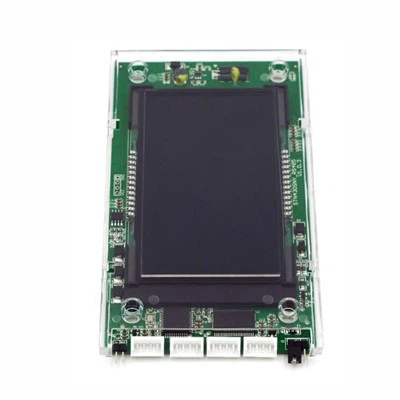
We understand that every elevator installation is unique, and we offer a range of inspection boxes to suit different elevator models and requirements. Our team of experts is always available to provide technical support and guidance throughout the installation process. Whether you’re a small – scale elevator maintenance company or a large – scale building management firm, we have the right solution for you.
ORONA elevator pcb If you’re in the market for an elevator inspection box, we invite you to contact us to discuss your specific needs. Our sales team is ready to provide you with detailed product information, pricing, and a free consultation. We look forward to the opportunity to work with you and help you ensure the safety and efficiency of your elevator systems.
References
- Elevator Installation and Maintenance Standards Handbook
- Manufacturer’s Installation Manuals for Elevator Inspection Boxes
- Industry Best Practices for Elevator Safety and Maintenance
Sanjin Elevator Parts Co., Ltd.
Sanjin Elevator Parts Co., Ltd. is one of the most professional elevator inspection box manufacturers and suppliers in China, featured by quality products and good service. Please rest assured to buy or wholesale high-grade elevator inspection box at competitive price from our factory.
Address: 18th Floor, Xinyuan Center, Fenghe Road, Xi’an, Shaanxi, China
E-mail: elevatorparts@westdt.com
WebSite: https://www.sanjinelevator.com/
