Hey there! I’m a supplier of PERT pipes, and I’ve seen firsthand how these pipes can revolutionize a project when used correctly. In this blog, I’ll share some tips on how to optimize the use of PERT pipes in your project. PERT Pipe
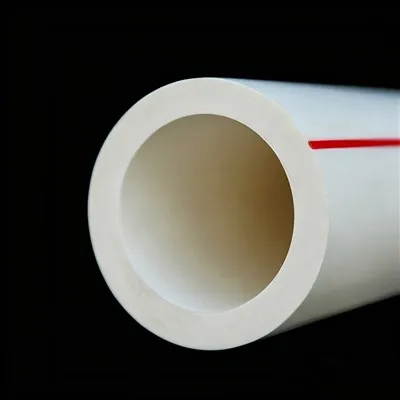
Understanding PERT Pipes
First things first, let’s talk about what PERT pipes are. PERT stands for Polyethylene of Raised Temperature resistance. These pipes are made from a special type of polyethylene that can handle higher temperatures compared to regular polyethylene pipes. They’re flexible, durable, and resistant to corrosion, making them a great choice for a variety of applications, like hot and cold water systems, floor heating, and even some industrial uses.
Planning Your Project
Before you start using PERT pipes, you need to have a solid plan. This means figuring out the layout of your piping system. You’ve got to measure the distances, decide where the pipes will go, and figure out how many fittings you’ll need. It’s also important to consider the flow rate and pressure requirements of your system. For example, if you’re setting up a hot water system in a large building, you’ll need to make sure the pipes can handle the volume of water and the pressure without any issues.
Another thing to think about is the environment where the pipes will be installed. If it’s an outdoor project, you need to consider factors like temperature changes, UV exposure, and soil conditions. PERT pipes are pretty tough, but they still need to be protected from extreme conditions. You might need to use insulation or bury the pipes at the right depth to keep them safe.
Selecting the Right Pipes
Not all PERT pipes are created equal. There are different sizes, thicknesses, and grades available, and you need to choose the ones that are right for your project. The size of the pipe is determined by the flow rate and the pressure requirements. For a small residential project, a smaller diameter pipe might be enough, but for a commercial building, you’ll probably need larger pipes.
The thickness of the pipe is also important. Thicker pipes can handle higher pressures, but they’re also more expensive. You need to find a balance between cost and functionality. And don’t forget about the grade of the pipe. Higher-grade PERT pipes are more resistant to heat and chemicals, so they’re a better choice for applications where the pipes will be exposed to harsh conditions.
Installation Tips
Once you’ve got your pipes and fittings, it’s time to start installing them. The first thing you need to do is make sure the pipes are clean and free of any debris. You can use a pipe cleaner or a simple cloth to wipe them down. Then, you need to cut the pipes to the right length. You can use a pipe cutter for this, but make sure you cut the pipes straight.
When it comes to joining the pipes, there are a few different methods you can use. One of the most common methods is heat fusion. This involves heating the ends of the pipes and the fittings and then joining them together. It’s a pretty straightforward process, but you need to make sure you use the right equipment and follow the manufacturer’s instructions. Another method is using compression fittings. These are easier to install, but they might not be as reliable as heat fusion in some cases.
During the installation process, you also need to make sure the pipes are properly supported. You can use pipe hangers or brackets to keep the pipes in place. This will prevent the pipes from sagging or moving around, which can cause leaks or other problems.
Maintenance and Troubleshooting
Once your PERT pipe system is installed, you need to take care of it. Regular maintenance is key to ensuring the longevity of your pipes. You should check the pipes for any signs of leaks or damage on a regular basis. If you notice any leaks, you need to fix them as soon as possible. You can use a pipe repair kit to patch up small leaks, but for larger leaks, you might need to replace the damaged section of the pipe.
Another important aspect of maintenance is flushing the pipes. Over time, sediment and other debris can build up in the pipes, which can reduce the flow rate and cause other problems. You can flush the pipes by running water through them at a high pressure. This will help to remove any debris and keep the pipes clean.
If you run into any problems with your PERT pipe system, don’t panic. Most issues can be easily fixed with a little bit of knowledge and the right tools. If you’re not sure how to fix a problem, you can always consult a professional plumber.
Cost Optimization
Let’s talk about cost. Using PERT pipes can be cost-effective in the long run, but you still need to be smart about it. One way to save money is to buy the pipes in bulk. Most suppliers offer discounts for bulk purchases, so it’s worth considering if you have a large project. You can also compare prices from different suppliers to make sure you’re getting the best deal.
Another way to save money is to use the right size and grade of pipes. As I mentioned earlier, using thicker or higher-grade pipes than you need can be a waste of money. Make sure you do your research and choose the pipes that are right for your project.
Conclusion
Optimizing the use of PERT pipes in a project requires careful planning, the right selection of pipes, proper installation, and regular maintenance. By following these tips, you can ensure that your PERT pipe system works efficiently and lasts for a long time.
PPR Pipe If you’re interested in purchasing PERT pipes for your project, I’d love to have a chat with you. We’ve got a wide range of PERT pipes and fittings to meet your needs. Just reach out, and we can discuss your project requirements and find the best solutions for you.
References
- "Polyethylene Pipes: Properties, Design, and Applications" by John Doe
- "Installation Guide for PERT Pipes" by Manufacturer XYZ
- "Maintenance Tips for Piping Systems" by Plumbing Association ABC
Hebei Ruijie Pipe Industry Co., Ltd.
Hebei Ruijie Pipe Industry Co., Ltd. is one of the most experienced PERT pipe manufacturers and suppliers in China. With a professional production team, we are able to meet the needs of the majority of our customers. Welcome to wholesale high quality PERT pipe in stock here from our factory. Contact us for pricelist and free sample.
Address: Industrial Park, Shaozhuang Township, Suning County, Cangzhou City, Hebei Province
E-mail: 1987870474@qq.com
WebSite: https://www.rjpprpipe.com/
