Can Optical Crystical PET Thermal Laminating Film be used for laminating fabrics?
Hey there! I’m a supplier of Optical Crystical PET Thermal Laminating Film, and I get this question a lot: Can our film be used for laminating fabrics? Well, let’s dive right into it and explore this topic together. Optical Crystical PET Thermal Laminating Film
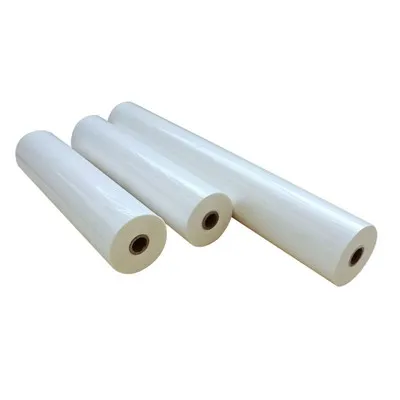
First things first, let’s talk a bit about what Optical Crystical PET Thermal Laminating Film is. This film is made from polyethylene terephthalate (PET), which is a type of plastic known for its clarity, strength, and durability. The "optical crystical" part means it has a super clear and shiny appearance, almost like crystal. And "thermal laminating" indicates that it uses heat to bond with another material.
Now, when it comes to using it for fabrics, there are several factors to consider.
Advantages of Using Optical Crystical PET Thermal Laminating Film on Fabrics
1. Protection
One of the biggest benefits is protection. Fabrics are often exposed to various elements like dirt, moisture, and UV rays. When you laminate a fabric with our film, it creates a protective barrier. For example, if it’s a fabric used in outdoor furniture, the film can prevent the fabric from fading due to sunlight and keep it clean from dust and rain. It can also protect against minor abrasions, which can extend the lifespan of the fabric.
2. Aesthetics
The optical clarity of our film gives the fabric a sleek and modern look. It enhances the color and texture of the fabric, making it look more vibrant and high – end. Whether it’s a decorative fabric for a home or a branded fabric for a store display, the laminated version will definitely stand out. It can also add a smooth and shiny finish that is often desired in many fashion and interior design applications.
3. Easy Maintenance
Laminated fabrics are much easier to clean. You can simply wipe off spills or dirt with a damp cloth, instead of having to go through a complicated washing process. This is especially useful for fabrics used in high – traffic areas or for items that are frequently used, like seat covers or tablecloths.
Challenges and Considerations
1. Compatibility
Not all fabrics are compatible with our Optical Crystical PET Thermal Laminating Film. The thermal lamination process involves heat, and some fabrics may not be able to withstand the high temperatures. For example, delicate natural fibers like silk or wool can shrink, warp, or lose their softness when exposed to too much heat. So, before laminating, it’s crucial to test a small sample of the fabric with the film to see how it reacts.
2. Breathability
Fabrics are known for their breathability, which allows air to circulate and moisture to escape. When you laminate a fabric with a plastic film, you’re essentially sealing it, and this can reduce its breathability. This can be a problem, especially for fabrics used in clothing or bedding. People may feel hot and uncomfortable if the fabric they’re wearing or sleeping on can’t breathe. However, there are ways to mitigate this issue, such as perforating the film during the lamination process to allow some air flow.
3. Flexibility
The film adds a certain amount of stiffness to the fabric. While this can be an advantage in some cases, like for rigid fabric applications, it can be a drawback in others. For example, in clothing, a too – stiff fabric can restrict movement and make the wearer feel uncomfortable. The key is to find the right balance between protection and flexibility, and this may require some experimentation with different film thicknesses and lamination techniques.
Practical Applications
Despite the challenges, there are many practical applications where Optical Crystical PET Thermal Laminating Film can be successfully used on fabrics.
1. Fashion Industry
In the fashion world, designers are always looking for new and innovative materials to create unique pieces. Laminated fabrics can be used to make statement jackets, skirts, or even handbags. The shiny and modern look of the laminated fabric can give a designer’s collection a fresh and edgy feel.
2. Interior Design
For interior design, the possibilities are endless. Laminated fabrics can be used for upholstery on sofas, chairs, and ottomans. The protection provided by the film ensures that the furniture stays looking new for longer. They can also be used for wall coverings, curtains, and table linens. The aesthetic appeal of the laminated fabric can transform a room and give it a more luxurious look.
3. Industrial and Outdoor Use
In industrial settings, fabrics are often used for conveyor belts, protective covers, and insulation. Laminating these fabrics with our film can enhance their durability and resistance to wear and tear. In the outdoor sector, laminated fabrics can be used for tents, awnings, and outdoor cushions, providing protection against the elements.
How to Ensure Successful Lamination
If you’re interested in using our Optical Crystical PET Thermal Laminating Film for fabric lamination, here are some tips to ensure a successful process:
1. Choose the Right Fabric
As mentioned earlier, not all fabrics are suitable. Opt for synthetic fabrics like polyester or nylon, which are more heat – resistant. If you want to use natural fibers, make sure to pre – treat them or use a lower – temperature lamination process.
2. Select the Appropriate Film Thickness
The thickness of the film will affect the final properties of the laminated fabric. Thicker films provide more protection but may also make the fabric stiffer. Thinner films offer less protection but more flexibility. Consider the intended use of the fabric when choosing the film thickness.
3. Use Proper Equipment
Invest in high – quality thermal lamination equipment. This will ensure a consistent and even bond between the film and the fabric. Make sure the equipment is set to the correct temperature and pressure for the specific fabric and film combination.
4. Conduct Tests
Before laminating a large quantity of fabric, always test a small sample. This will allow you to see how the fabric and film react together and make any necessary adjustments to the process.
Conclusion
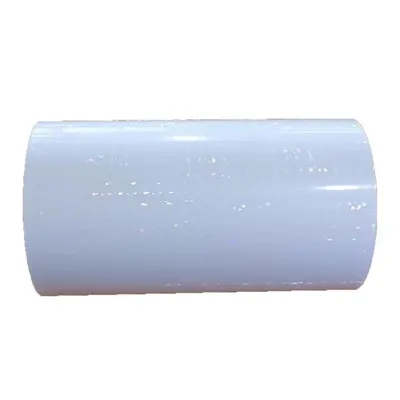
So, can Optical Crystical PET Thermal Laminating Film be used for laminating fabrics? The answer is yes, but with some considerations. There are clear advantages in terms of protection, aesthetics, and easy maintenance. However, challenges like compatibility, breathability, and flexibility need to be addressed. With the right fabric selection, film thickness, equipment, and testing, you can achieve great results.
Thermal Laminating Film If you’re interested in exploring the possibilities of using our Optical Crystical PET Thermal Laminating Film for your fabric lamination needs, I’d love to have a chat with you. Whether you’re a fashion designer, an interior decorator, or an industrial manufacturer, we can work together to find the best solution for your project. Just reach out, and we can start discussing how our film can add value to your fabrics.
References
- "Plastics in Textiles" by X. M. Tao
- "Textile Science and Technology" by H. K. Rouette
- "Thermal Lamination Processes: Principles and Applications" by various industry experts
Yantai Hongqing Packing Material Co., Ltd.
Yantai Hongqing Packing Material Co., Ltd. is one of the most professional optical crystical pet thermal laminating film manufacturers and suppliers in China, also supports customized service. Welcome to wholesale advanced optical crystical pet thermal laminating film made in China here and get quotation from our factory. Quality products and reasonable price are available.
Address: Eastern Industrial Park, Taocun, Yantai, Shandong Province, China
E-mail: cindy@ythongguang.cn
WebSite: https://www.hqingnewmat.com/
