If you’ve ever stood in a dusty lot looking at a dump truck, hands hovering over the ignition, wondering what comes next—you’re not alone. As a dump truck supplier, I’ve seen far too many new operators, small construction company owners, and even experienced trades people trying to jumpstart a truck for the first time without a clue. It’s not rocket science, but skip a step, and you’ll wind up stranded on a job site, losing time and money that’s hard to make back. This guide is what I walk every new customer through before they pick up their first truck—and it’s the same advice I give to anyone who’s never turned a dump truck key before. Dump Truck
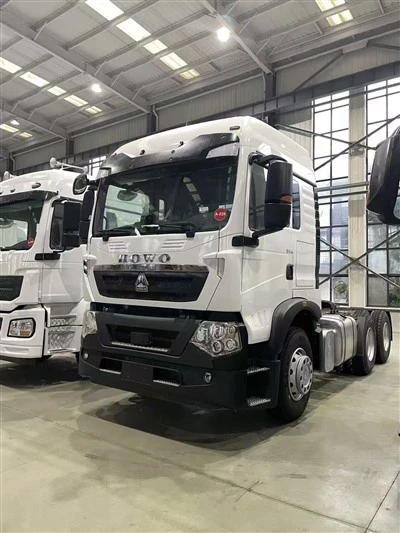
First, before you even think about turning the key, take 10 minutes to walk around the truck. I know, it sounds tedious, but 90% of first-time start mistakes happen because someone skipped this step. Dump trucks are heavy, they sit low to the ground, and even a small issue can turn into a big problem fast. Start at the front: check the tire pressure. Most standard dump trucks run on 11R22.5 tires, and if one’s underinflated by 10 PSI, you’re not just making the engine work harder—you’re risking a blowout mid-drive. Next, pop the hood and give the engine a quick once over. Look for loose hoses, oil leaks, or any debris tangled around the fan belt. Then, slide under the rear of the truck to make sure the dump bed isn’t resting on something—like a stack of lumber or a concrete block left behind from a previous job. I’ve had three customers over the last year try to start their trucks with the bed still down on a barrier; they bent the lift cylinder so bad they had to rent a replacement for two days, costing them thousands. Don’t be that person.
Once you’ve done the walkaround, it’s time to get in the cab. This is where a lot of new operators mix up the sequence. First, adjust your seat and mirrors—you need to see the dump bed and the rear wheels, not just the hood. Then, check the gear shifter. Wait, before that: make sure the parking brake is engaged. This is non-negotiable. A running dump truck that’s not on the parking brake can roll, even on flat ground, and it’s the number one cause of minor job site accidents. Next, set the gear shifter to neutral. If the shifter is in drive or reverse, the engine will crank but won’t start, and you’ll be standing there confused, thinking the truck is broken. Some newer trucks have a neutral safety switch that won’t let the engine turn over if you’re in gear, but older models don’t—so always double check.
Now, turn the key to the first position—this is the accessory setting, the one before it clicks all the way. Don’t jump straight to cranking the engine. This step lets the truck’s onboard computers, fuel pump, and glow plugs (if you have a diesel truck, which almost all dump trucks do) do their job. Diesel engines need glow plugs to heat the combustion chamber, especially in cold weather. If you skip this, the engine will crank for 10 or 15 seconds, sputter, and die, and you’ll drain the battery. Wait for the glow plug light to go off on the dashboard. It usually takes 3 to 5 seconds, depending on the temperature. If it’s 30 degrees or below, wait another 2 seconds—cold weather is when batteries are weakest, and you don’t want to wear them out before you even start the truck.
Once the glow plug light goes off, turn the key all the way to the crank position. Hold it there for no more than 10 seconds. If the engine doesn’t start in 10 seconds, let go of the key, wait 30 seconds, and try again. Holding the key longer will overwork the starter motor, and that’s an expensive repair. Most diesel engines will catch within 3 to 5 seconds—if it takes longer, check the fuel level first. It sounds silly, but I’ve seen two guys this month try to start a truck with barely a gallon of fuel in the tank. If the engine does start, let it idle for 2 to 3 minutes. Don’t rev the engine right away. Dump trucks have big engines, and they need to warm up the oil and the components before you put load on them. Revving a cold engine causes wear that adds up over time, and it’s one of the main reasons dump trucks fail early.
Now, there’s one more thing every first-time operator forgets: the dump bed. A lot of new people think starting the truck is just getting it to move, but the bed’s hydraulics need their own little check before you use them. Turn the truck’s key on (you don’t need to start the engine yet) and look for the hydraulic light on the dashboard. It’ll come on, and when it goes off, you can test the bed. Try raising it an inch or two, then lower it back down. Listen for any weird grinding or hissing—if there’s noise, shut off the truck immediately. A bad hydraulic line can burst, and that’s a hazard for you and anyone nearby. If everything sounds good, you’re ready to roll—but only after you double check the parking brake, the gear shifter, and the bed is all the way down and locked in place.
Wait, let’s talk about common mistakes I see all the time, because knowing what to avoid is just as important as knowing what to do. First, don’t use a jump box unless you have to. A lot of new operators carry a jump starter, and it’s tempting to hook it up while the truck is running to charge it—but never do that. The alternator is designed to charge the battery, and adding a jump box can fry the onboard computer, which costs $1,500 to replace, minimum. Second, don’t leave the truck idling for more than 10 minutes when you’re parked. Dump truck engines are big, and idling too much wastes fuel and builds up carbon in the cylinders. I tell all my customers to turn the engine off if they’re going to be stopped for longer than 5 minutes. Third, don’t ignore the dashboard warning lights. If a check engine light comes on, don’t just keep driving—pull over and check it. A minor issue like a loose gas cap can turn into a $2,000 repair if you ignore it.
Now, why does this matter so much? As a dump truck supplier, I don’t just sell trucks—I sell reliability. A truck that starts right on the job means you can keep your crews working, meet deadlines, and make money. A truck that won’t start means you’re paying your workers for downtime, renting a replacement truck, and missing out on jobs. I’ve had customers tell me that following these steps saved them from a $10,000 repair in their first month of owning a truck. That’s why I make sure every new owner gets a walkthrough like this, and why I share this advice online for anyone who needs it.

If you’re in the market for a dump truck, or you’re ready to replace your old one, I’m here to help. Whether you’re a small contractor with one job, or a large construction company with a fleet, we have dump trucks that fit your needs—from light-duty models for residential jobs to heavy-duty 10-wheelers for large projects. Starting a dump truck doesn’t have to be scary, but having the right truck makes it even easier. If you have questions about starting your first truck, or you want to talk about what dump truck is right for you, reach out. We’d be happy to walk you through the process, answer any questions, and make sure you’re prepared before you hit the road.
Car Carrier References
Diesel Equipment Owners Association. (2022). Proper Cold Start Procedures for Heavy-Duty Trucks. Construction Equipment Maintenance Journal.
National Association of Heavy Equipment Training. (2021). Common Operator Mistakes in Dump Truck Operation.
Truck Maintenance Safety Alliance. (2023). Pre-Start Walkaround Checklists for Medium and Heavy-Duty Vehicles.
Shandong Huaqi Automotive Technology Co., Ltd.
Shandong Huaqi Automotive Technology Co., Ltd. is one of the most experienced dump truck manufacturers and suppliers in China, also supports customized service with low price. Please feel free to wholesale cheap dump truck in stock here from our factory. Contact us for free sample.
Address: Quanpu Town Industrial Park, Liangshan County, Shandong Province, China
E-mail: admin@huaqitruck.com
WebSite: https://www.huaqitruck.com/
